Launching the documentary Canary in Peru and Building Momentum for Quelccaya National Park

La Universidad Nacional Santiago Antunez de Mayolo, Huaraz, Peru

Screening of the Spanish version of CANARY at Pontific Universidad Católica del Peru, Lima, Peru .

Screening of CANARY at a Private High School

Screening of the Spanish version of CANARY from the Universidad Nacional Agrarian La Molina, Lima, Peru

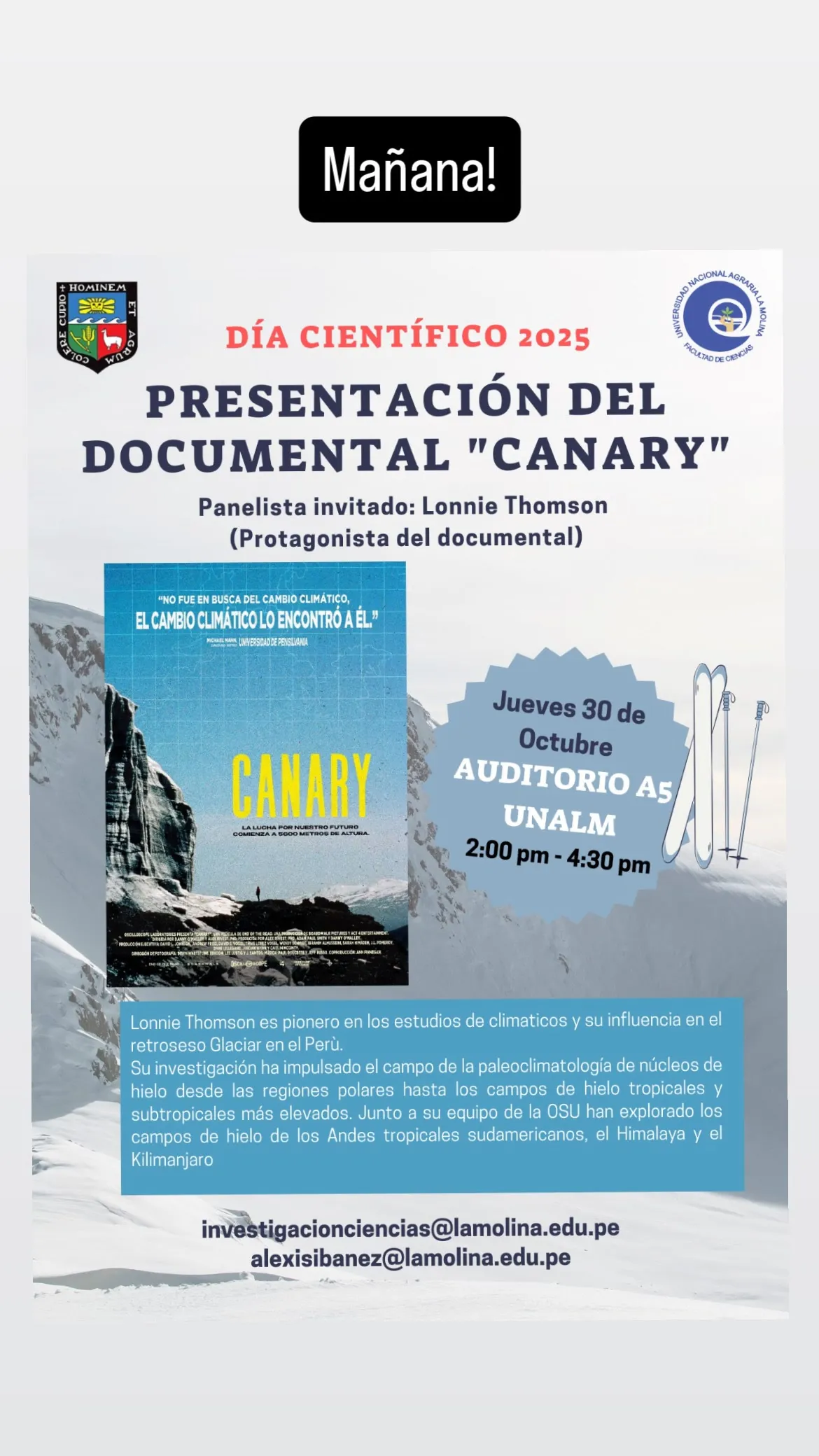
Screening of the Spanish version of CANARY at the Universidad National Agrarian La Molina, Lima, Peru

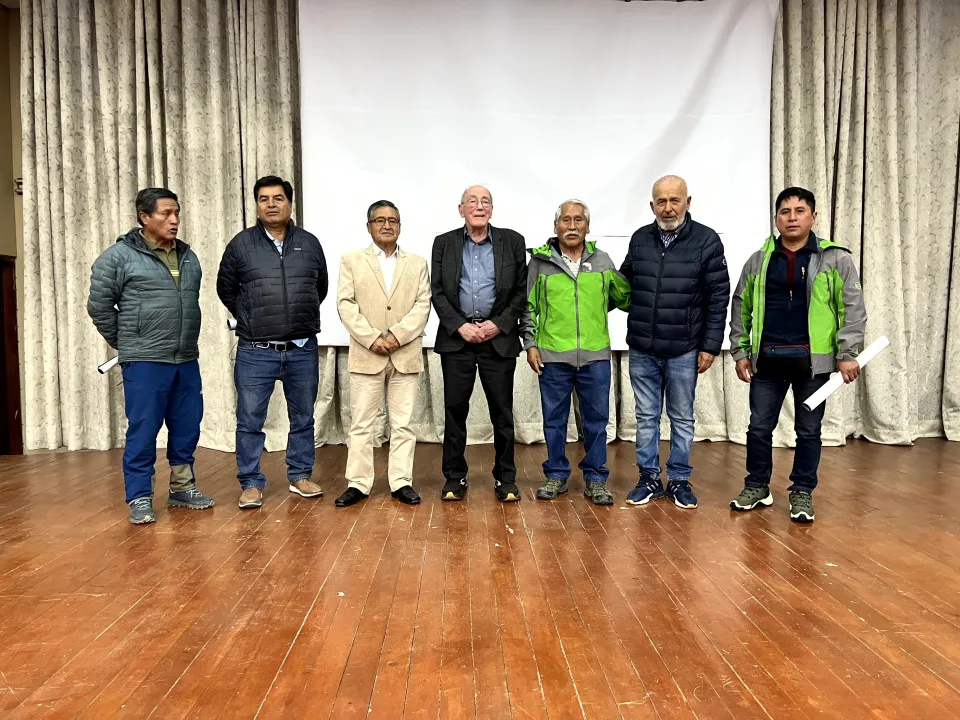
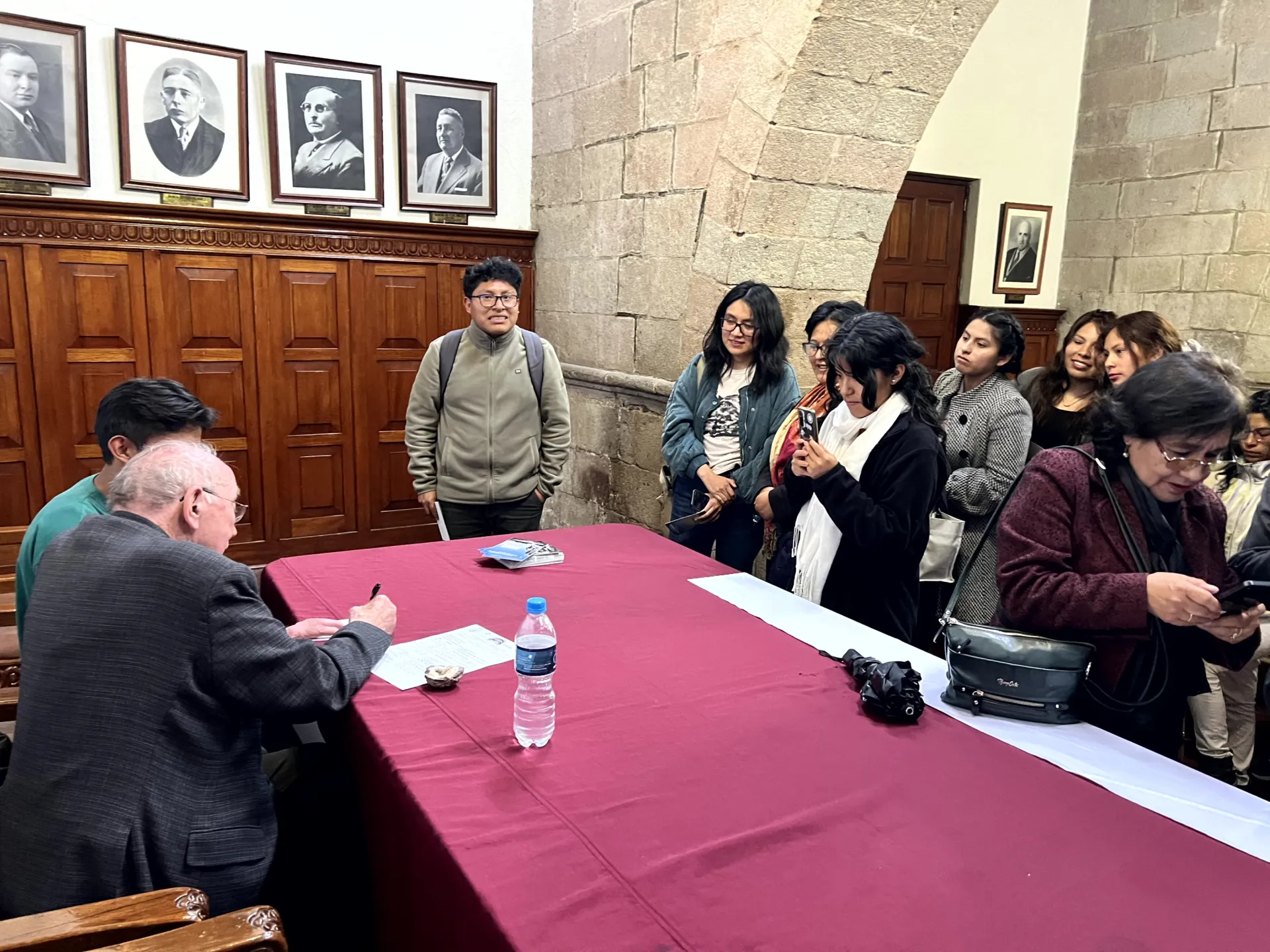
Screening of CANARY at Universidad National De San Antonio Abad Del Cusco

Poster for “Cine-Foro Canary” in Arequipa featuring Lonnie Thompson

Screening of Spanish version of CANARY Discussion Catolica del Peru
The Ohio State University Distinguished University Professor, Earth Sciences, Senior Research Scientist Lonnie Thompson recently returned from a three-week intensive trip to Peru, where he delivered the keynote address at the "Mountains: Our Future" symposium in Cusco. The event was sponsored by the National Institute for Research on Glaciers and Mountain Ecosystems (INAIGEM) in recognition of the United Nations' designation of 2025 as the International Year of Glaciers' Preservation. This occasion was used to launch the Spanish-language version of Canary, premiering it at 12 universities and schools across Peru in Lima, Cusco, Puno, Arequipa, and Huaraz. At each stop, the launch of the Documentary Canary was used to make the case for establishing the Quelccaya region as a National Park. The team was genuinely amazed by how enthusiastically audiences in Peru received both the Spanish version of the film and the National Park proposal.
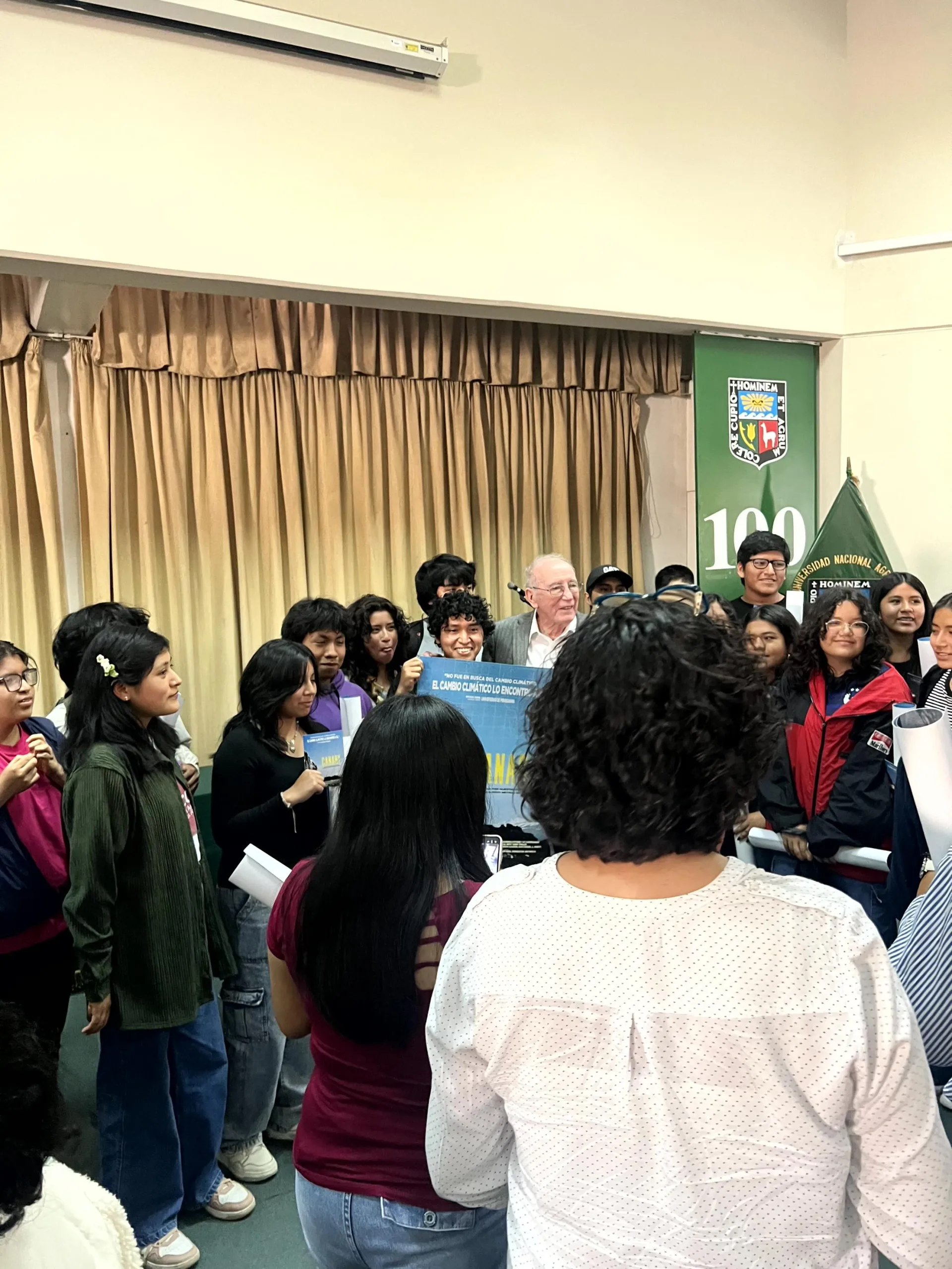
In Cusco, Canary was shown to roughly 600 science participants as part of the symposium program, followed by a screening at the Universidad Nacional de San Antonio Abad del Cusco. The team then traveled to Puno for another screening before returning to Lima for additional showings, including at the Pontificia Universidad Católica del Perú (Catholic University of Peru) and a private school
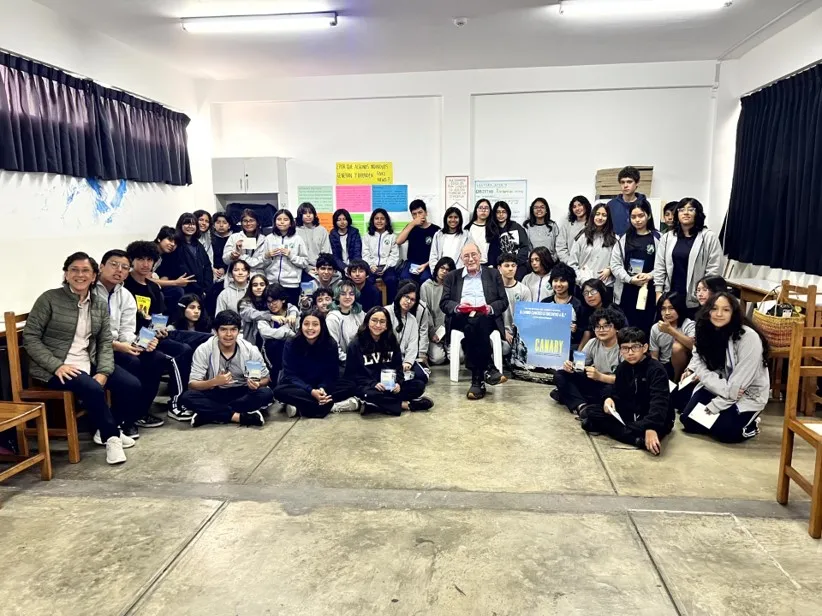
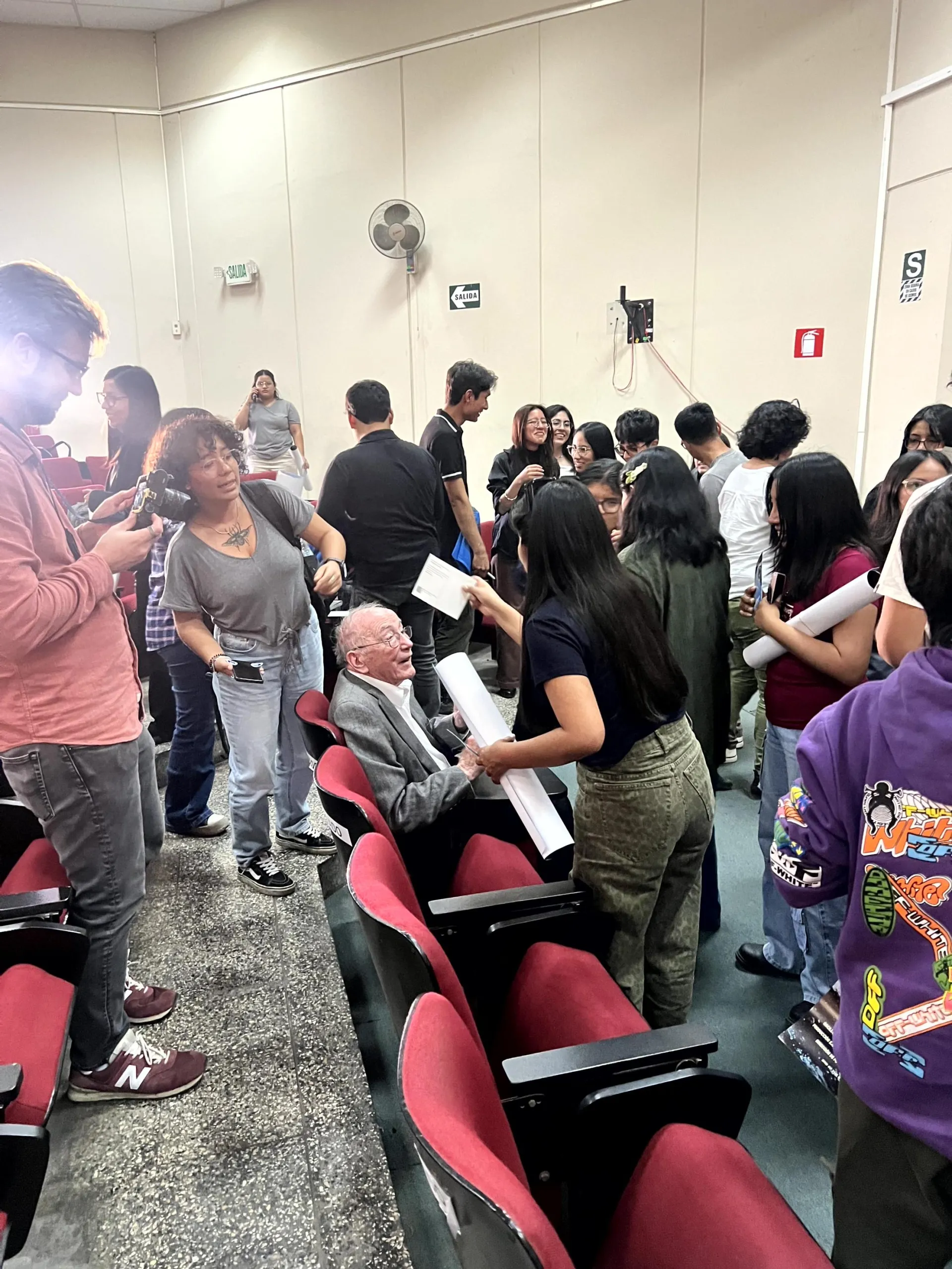
followed by a screening the same day at the Universidad Nacional Agraria La Molina, where I received an honorary doctoral degree in recognition of my research on Quelccaya and Huascarán
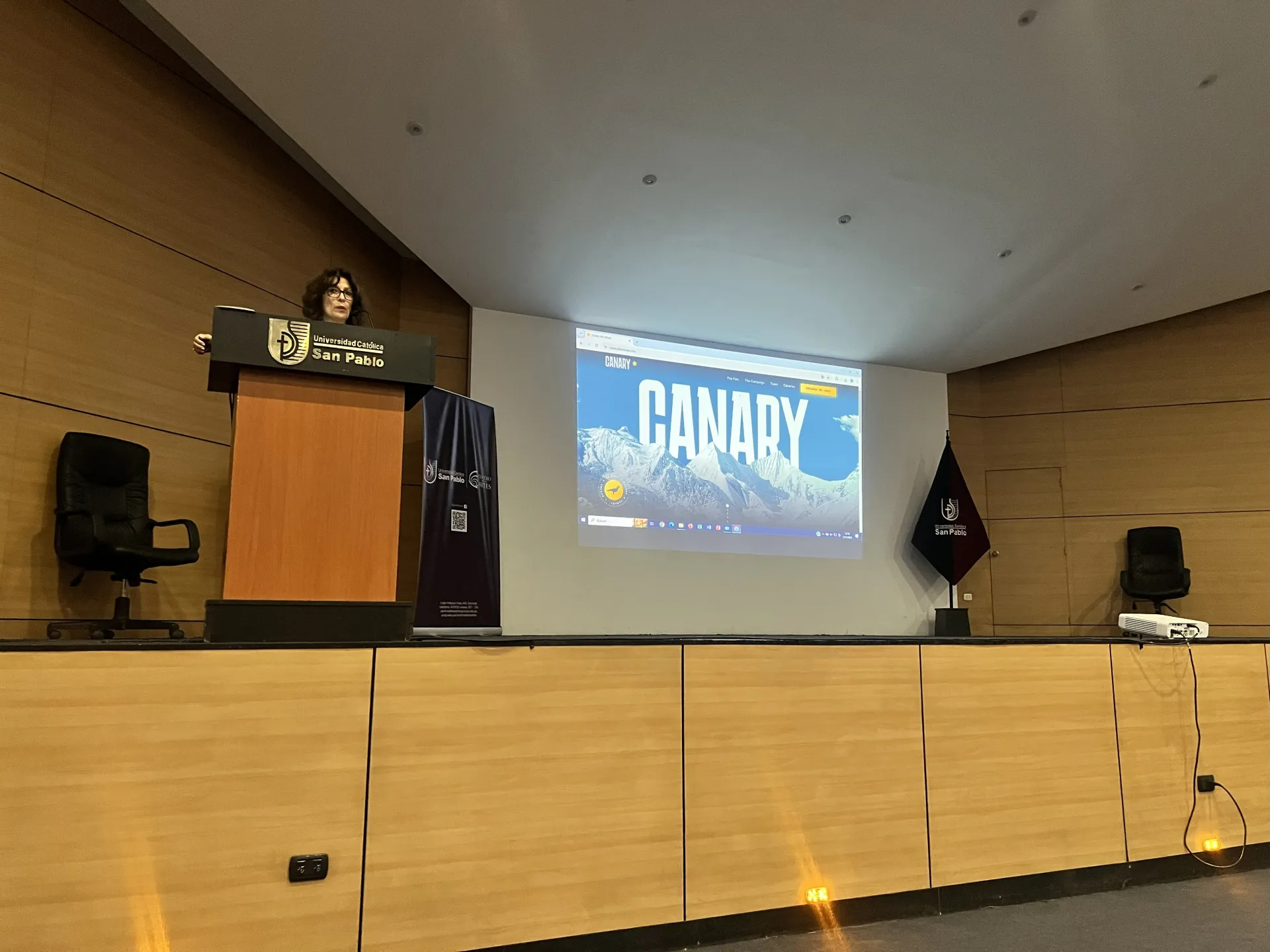
The team later headed to Huaraz for a screening at the Universidad Nacional Santiago Antúnez de Mayolo, then returned to Lima for meetings with national leaders, again advocating for the creation of Quelccaya National Park, along with another university screening. The trip concluded with travel to Arequipa for a screening at Universidad San Pablo before returning to Lima and then back to the United States. It was an extremely busy but highly productive trip, capped by the endorsement of the Quelccaya National Park proposal from every university that hosted a Canary screening.
The Quelccaya Ice Cap is the world's largest tropical glacier and one of Peru's most precious natural treasures. Its preservation safeguards a unique component of the global cryosphere and a powerful symbol of Peru's natural heritage. Ice cores from Quelccaya contain an approximately 1,800-year record of past climate, providing critical insight into how the tropical Andes—and the communities that depend on them—are being transformed by a warming world.
