News
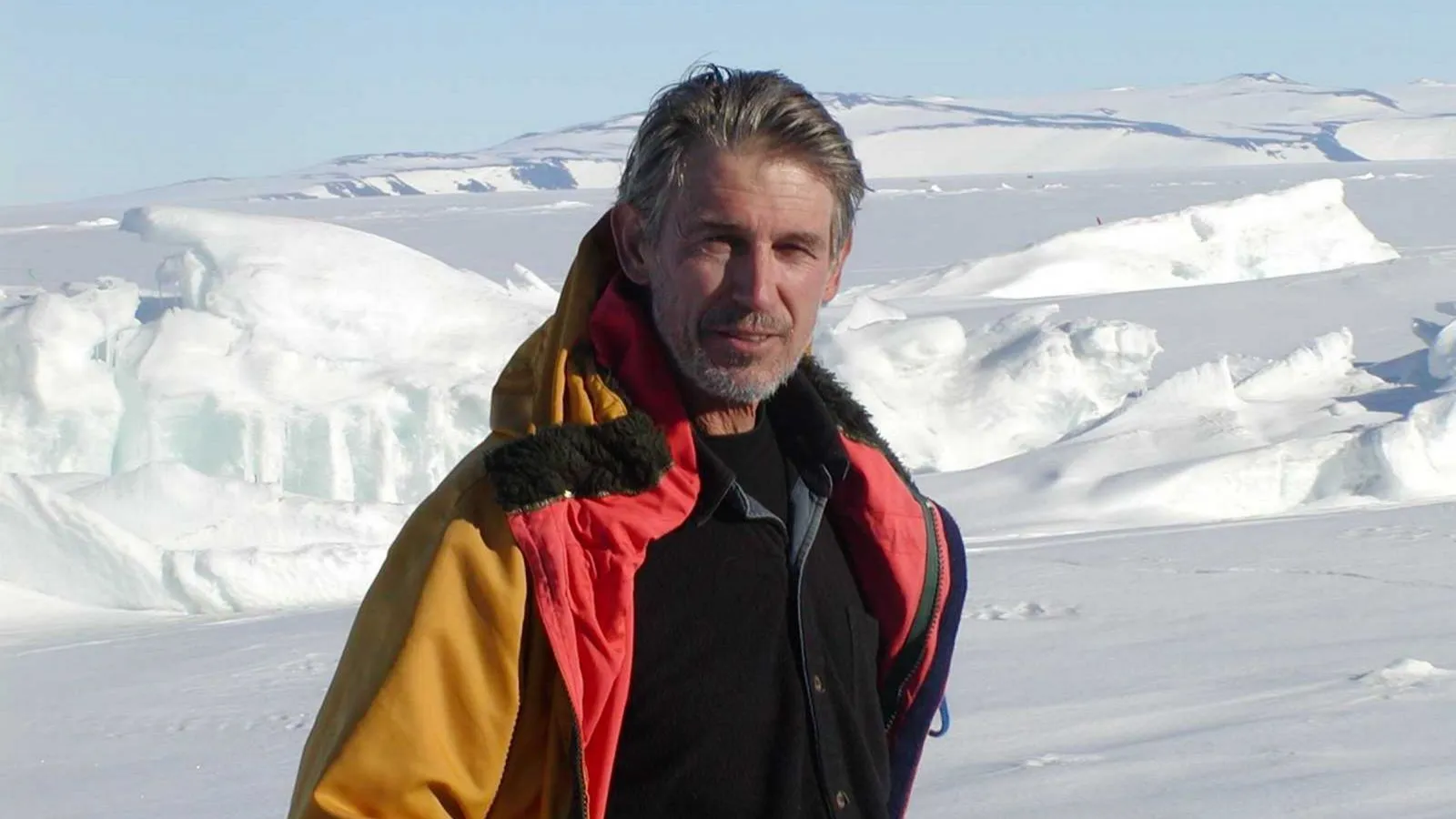
The Byrd Polar and Climate Research Center joins the Antarctic research community in remembering Professor Peter Barrett, a distinguished Antarctic scientist, Ohio State geology alumnus, and…
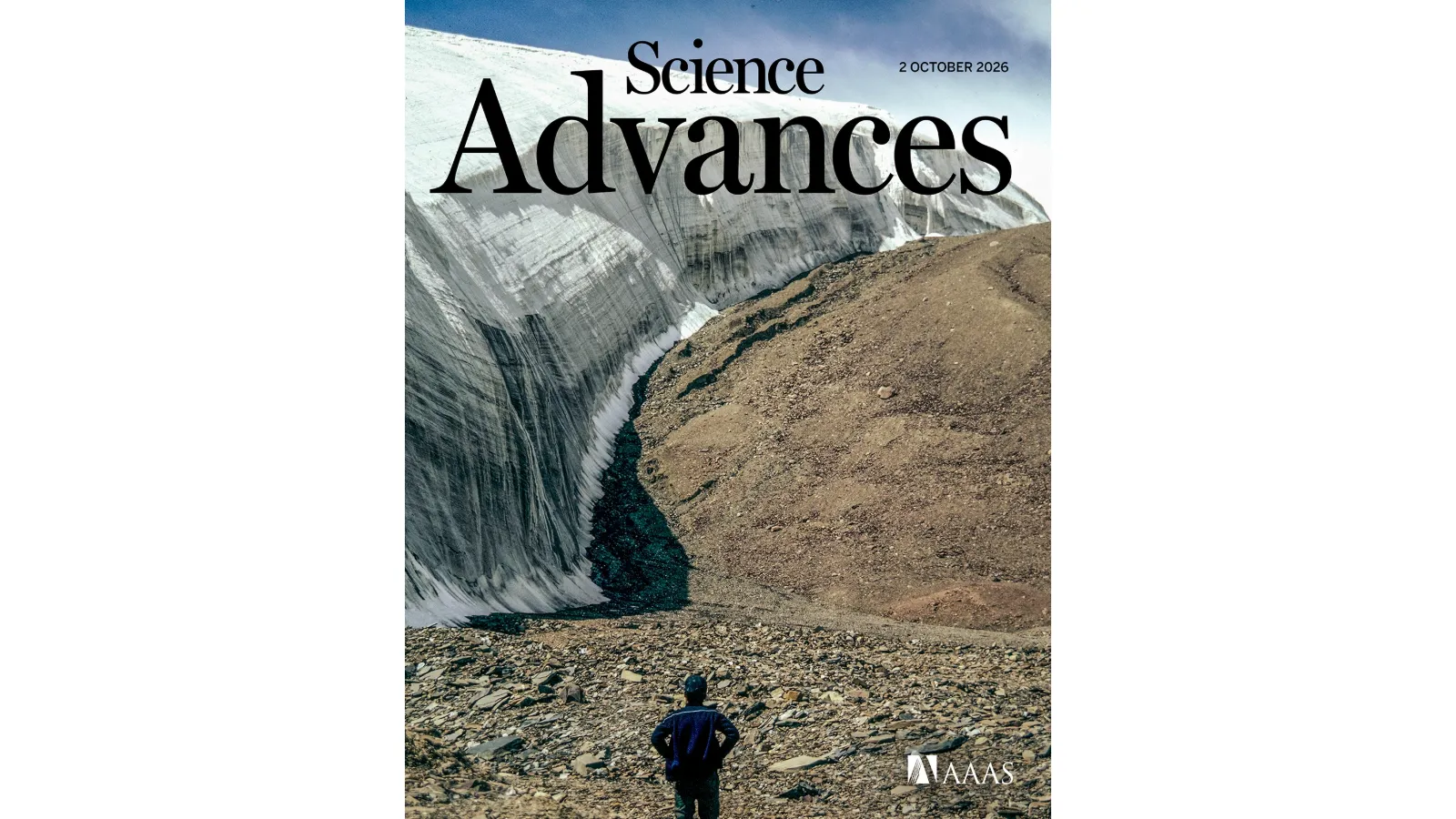
Lonnie Thompson and colleagues recently published new research in Science Advances revealing that ice preserved within the Guliya Ice Cap in northwestern Tibet dates back more than 100…

This past week, the Byrd Polar and Climate Research Center had a presence in New York City for Climate Week NYC 2026. In partnership with the Sustainability Institute, the Environmental History…
How can cartoon puzzles help young people connect with polar and geoscience research? Jason Cervenec, Karina Peggau, Haylen Scott, Joseph Helterbrand, Vigo Bertolo, John Scholl, Amadou Agne, Addie…

Wooden rock boxes that once traveled across Antarctica are finding new purposes through a collaboration between the Byrd Polar and Climate Research Center’s Polar Rock Repository (PRR) and…

The call for proposals for the 2026–2027 Polar Archives Research Award is now open! The $6,000 award supports graduate students, faculty and independent scholars from around the…

Byrd Polar and Climate Research Center Principal Investigator and State Climatologist of Ohio Aaron Wilson recently contributed to Crain’s Cleveland Business coverage examining…

Undergraduate students working for the Byrd Polar and Climate Research Center, are encouraged to apply for research support from the G. McKenzie & H. Brecher Undergraduate Scholarship Fund. The…
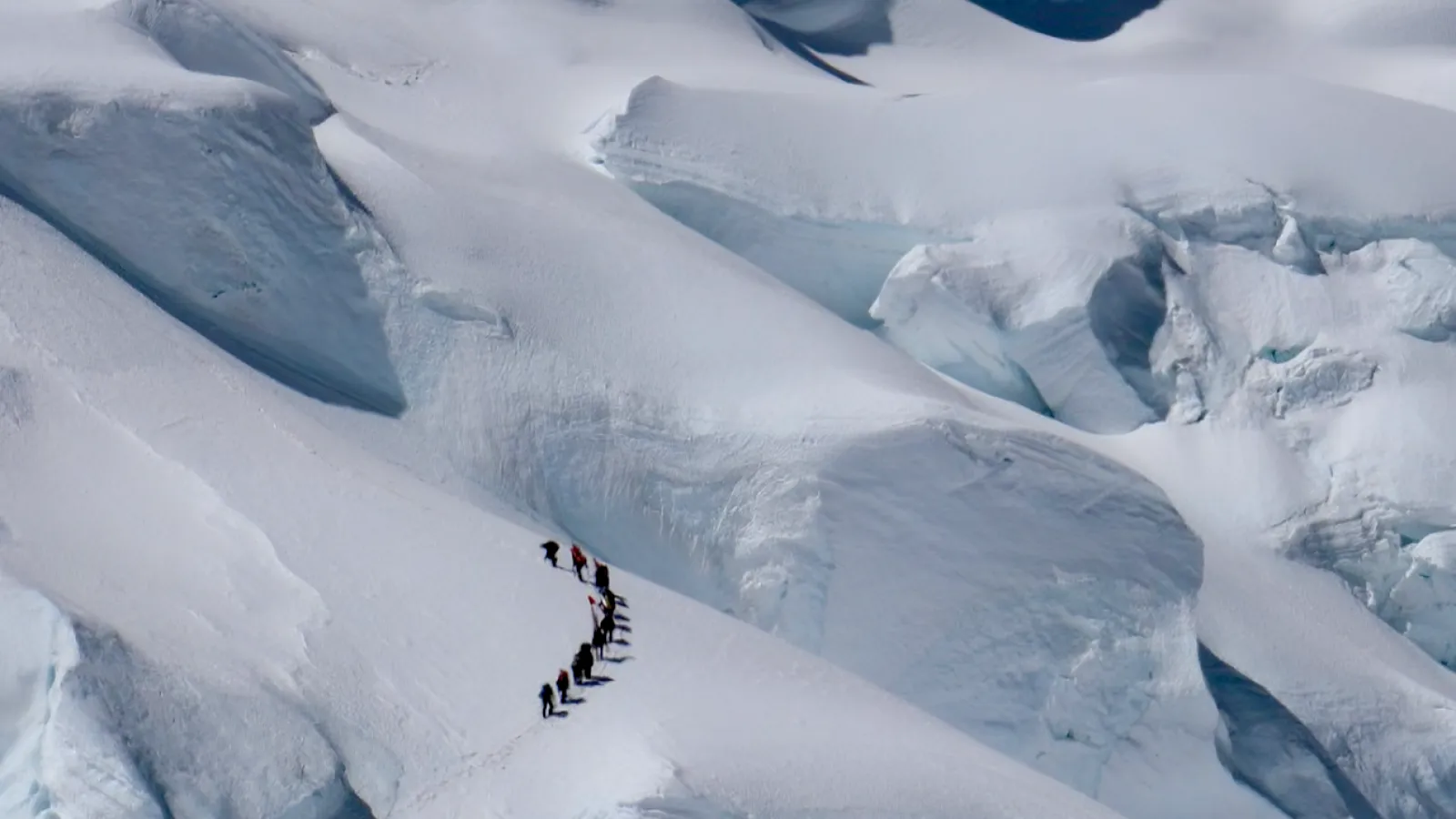
Kara Lamantia and her colleagues recently published research in Nature using ice cores from Peru’s Nevado Huascarán to produce the first global record of historical tropical methane. The…