News
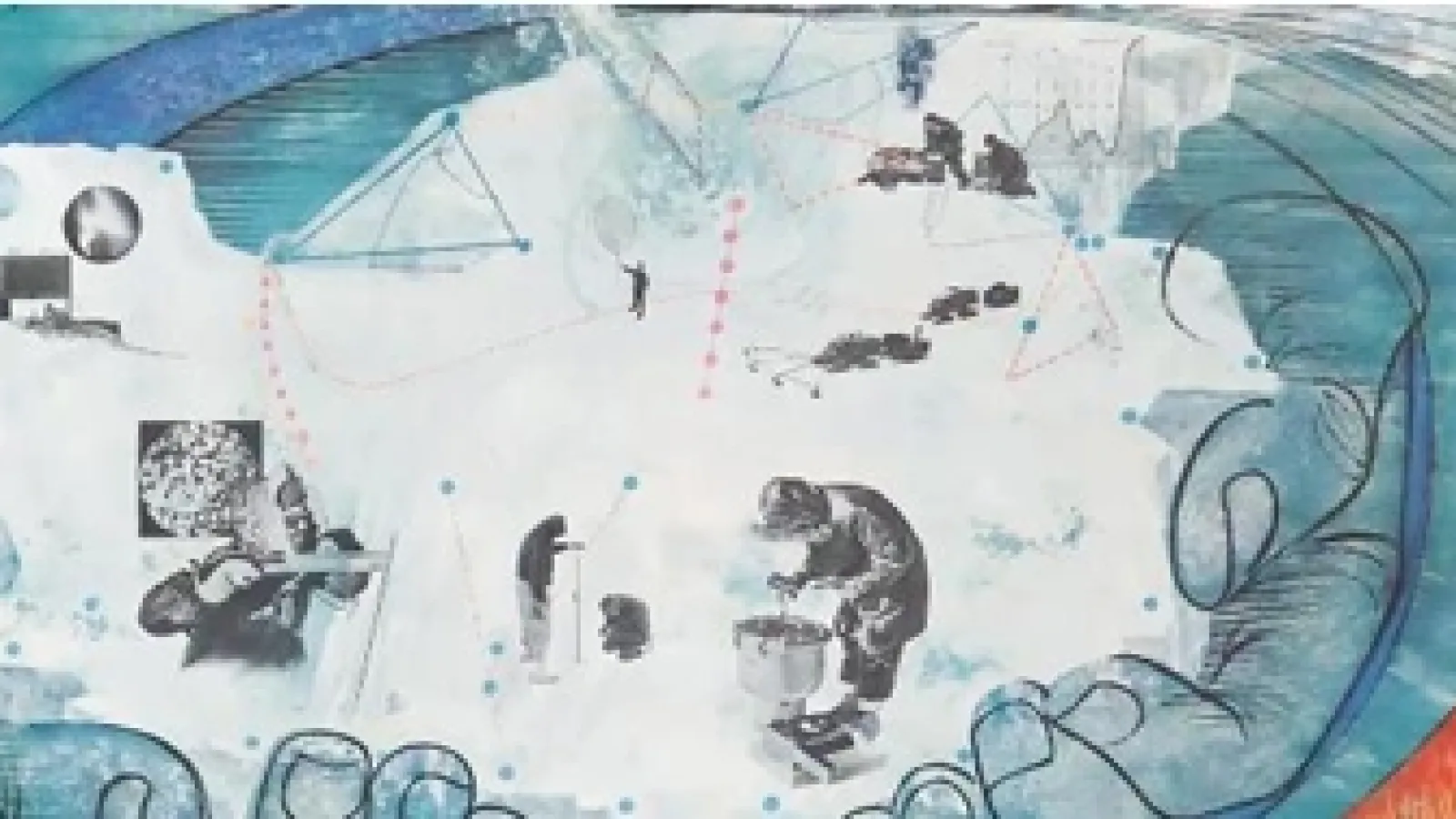
2032/33 will mark the fifth International Polar Year (IPY) since the first global polar research effort began in 1882. In anticipation of this milestone, the Byrd Polar and Climate Research Center…
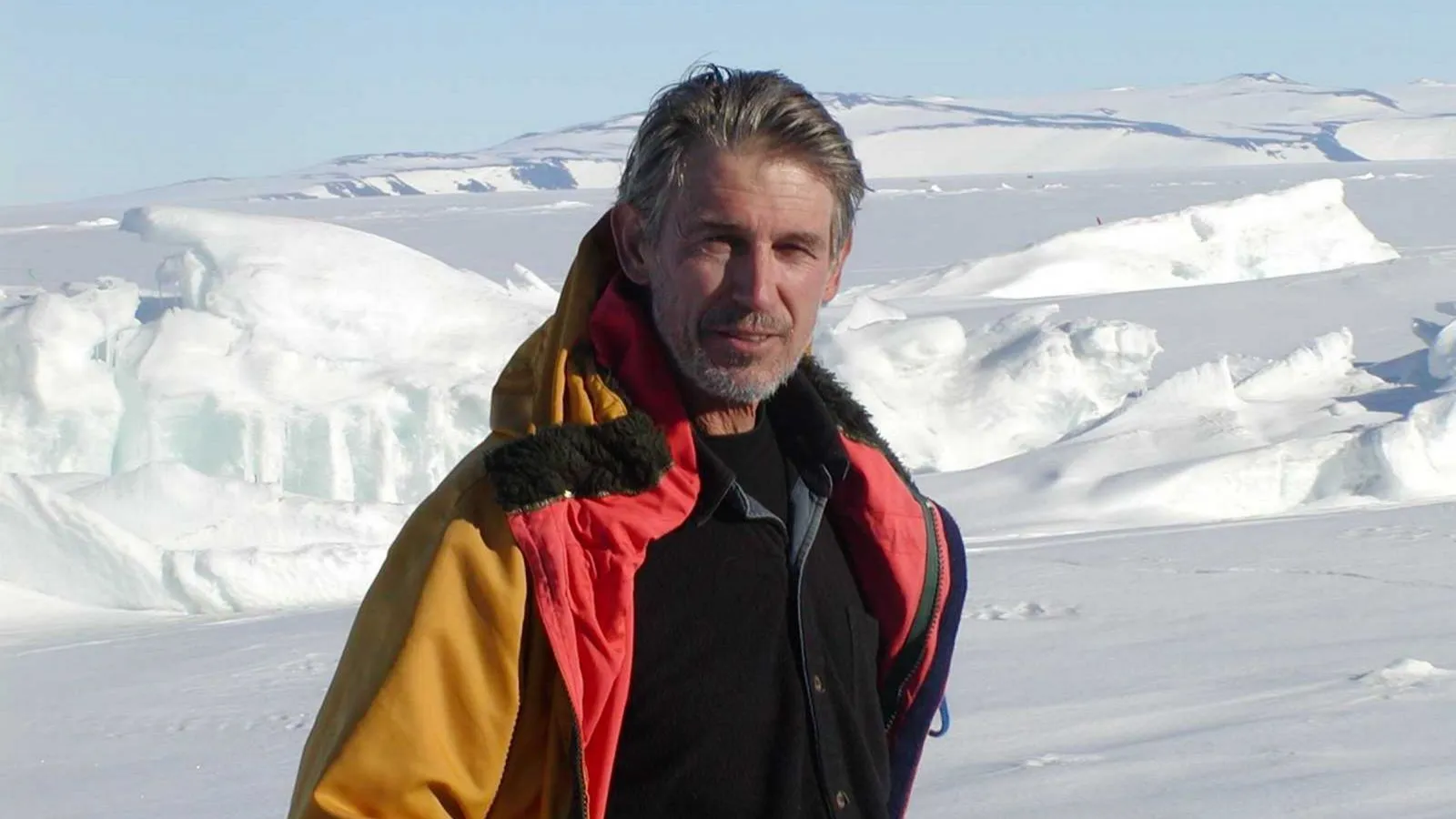
The Byrd Polar and Climate Research Center joins the Antarctic research community in remembering Professor Peter Barrett, a distinguished Antarctic scientist, Ohio State geology alumnus, and…
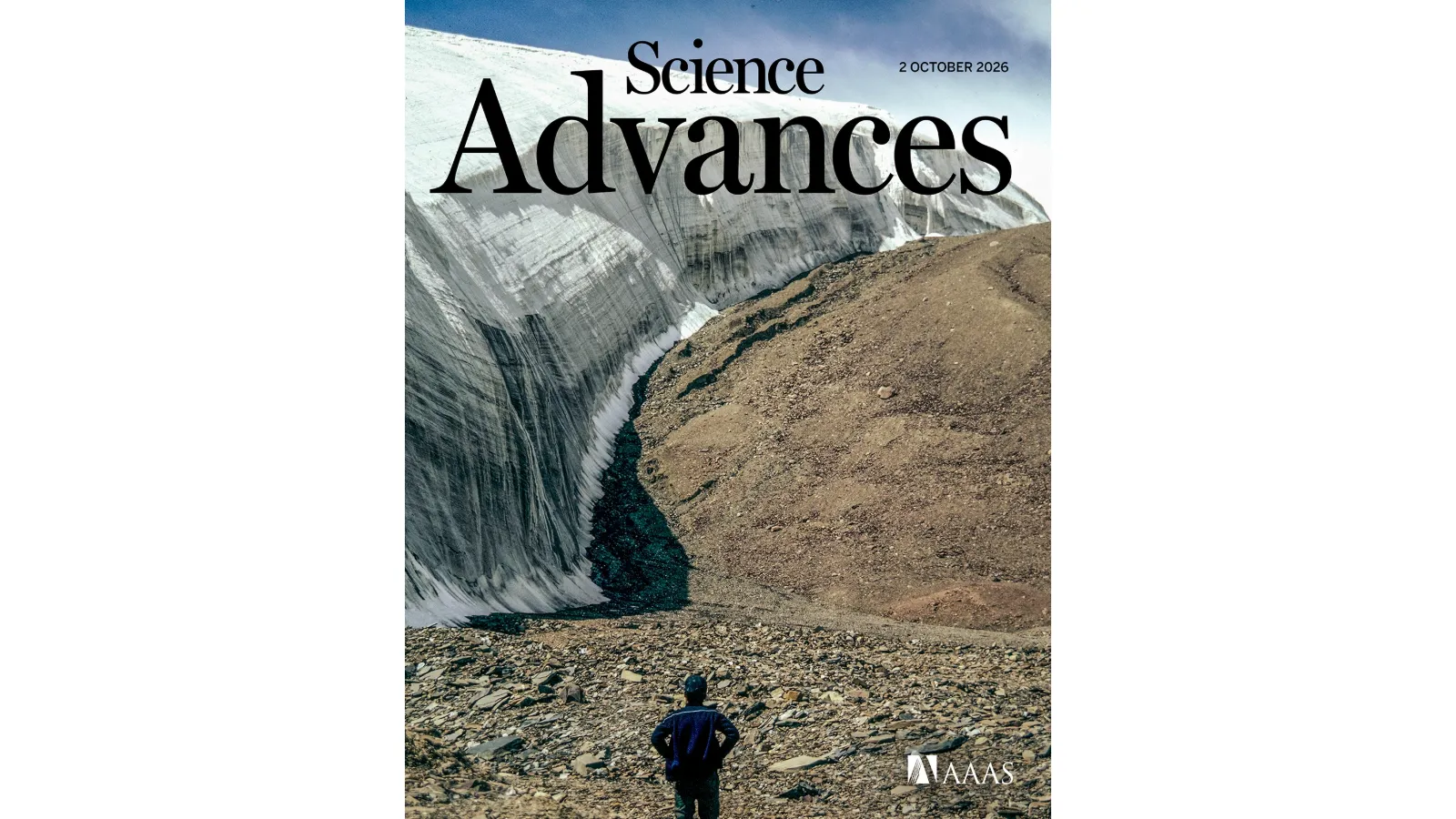
Lonnie Thompson and colleagues recently published new research in Science Advances revealing that ice preserved within the Guliya Ice Cap in northwestern Tibet dates back more than 100…

This past week, the Byrd Polar and Climate Research Center had a presence in New York City for Climate Week NYC 2026. In partnership with the Sustainability Institute, the Environmental History…
How can cartoon puzzles help young people connect with polar and geoscience research? Jason Cervenec, Karina Peggau, Haylen Scott, Joseph Helterbrand, Vigo Bertolo, John Scholl, Amadou Agne, Addie…

Wooden rock boxes that once traveled across Antarctica are finding new purposes through a collaboration between the Byrd Polar and Climate Research Center’s Polar Rock Repository (PRR) and…

The call for proposals for the 2026–2027 Polar Archives Research Award is now open! The $6,000 award supports graduate students, faculty and independent scholars from around the…

Byrd Polar and Climate Research Center Principal Investigator and State Climatologist of Ohio Aaron Wilson recently contributed to Crain’s Cleveland Business coverage examining…

Undergraduate students working for the Byrd Polar and Climate Research Center, are encouraged to apply for research support from the G. McKenzie & H. Brecher Undergraduate Scholarship Fund. The…
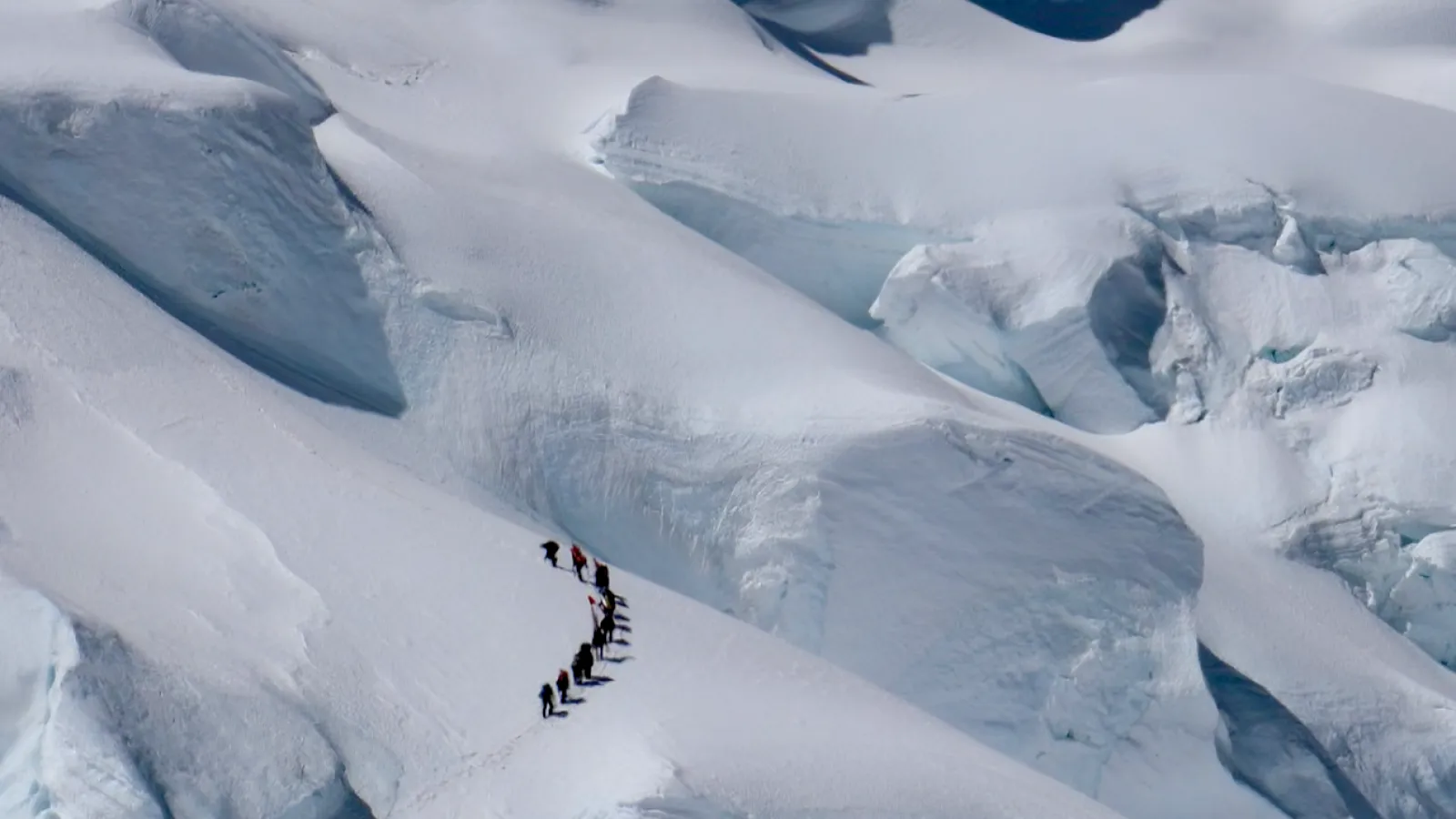
Kara Lamantia and her colleagues recently published research in Nature using ice cores from Peru’s Nevado Huascarán to produce the first global record of historical tropical methane. The…
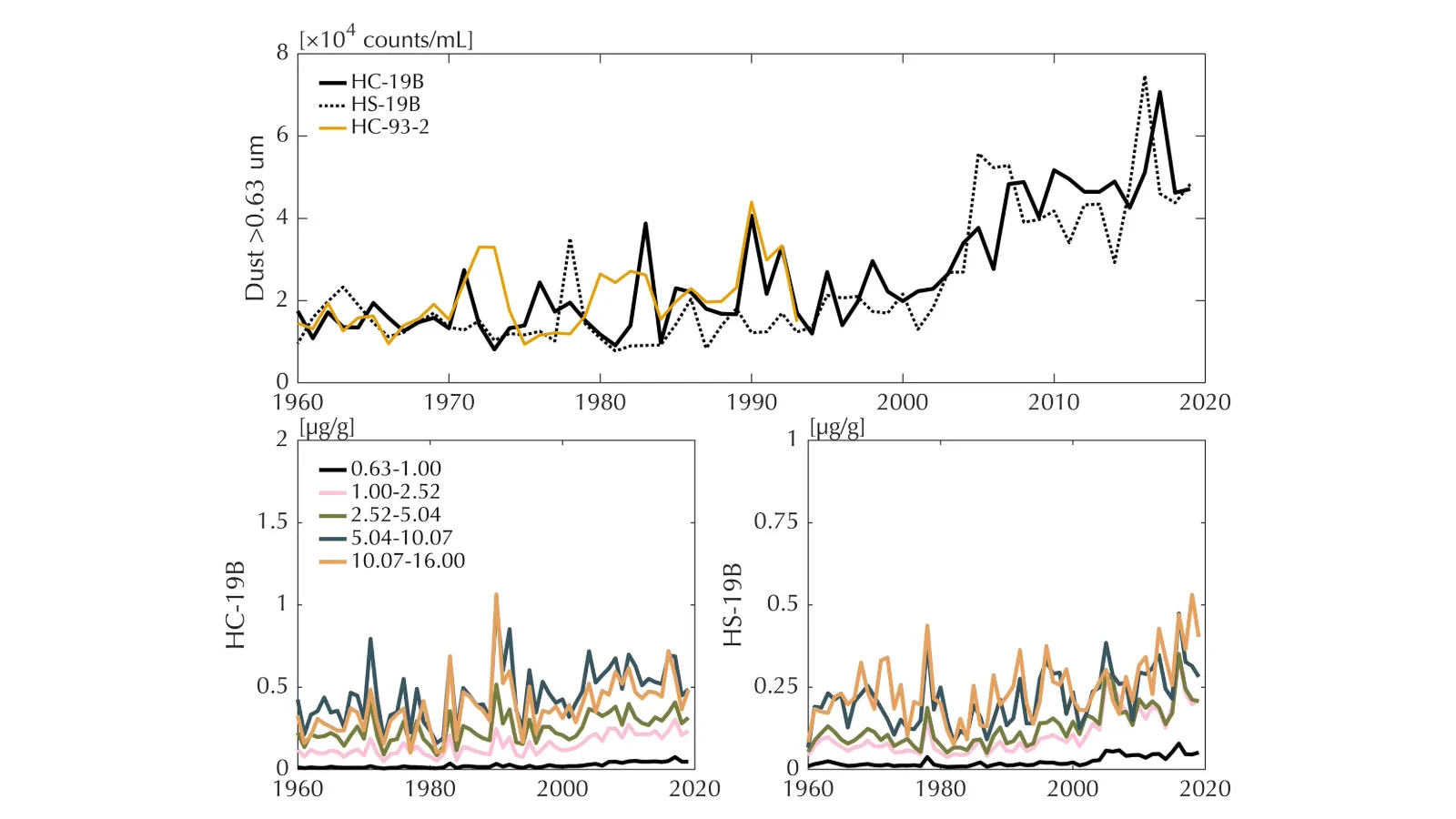
Austin Weber and his colleagues recently published “On the Influence of Mineral Dust on Glacial Albedo at Nevado Huascarán (Cordillera Blanca, Peru)” in Journal of Geophysical…
Please share widely with archivists, librarians, special collections professionals, historians of science, and those interested in Antarctic and Arctic collections.
The Ohio State University…
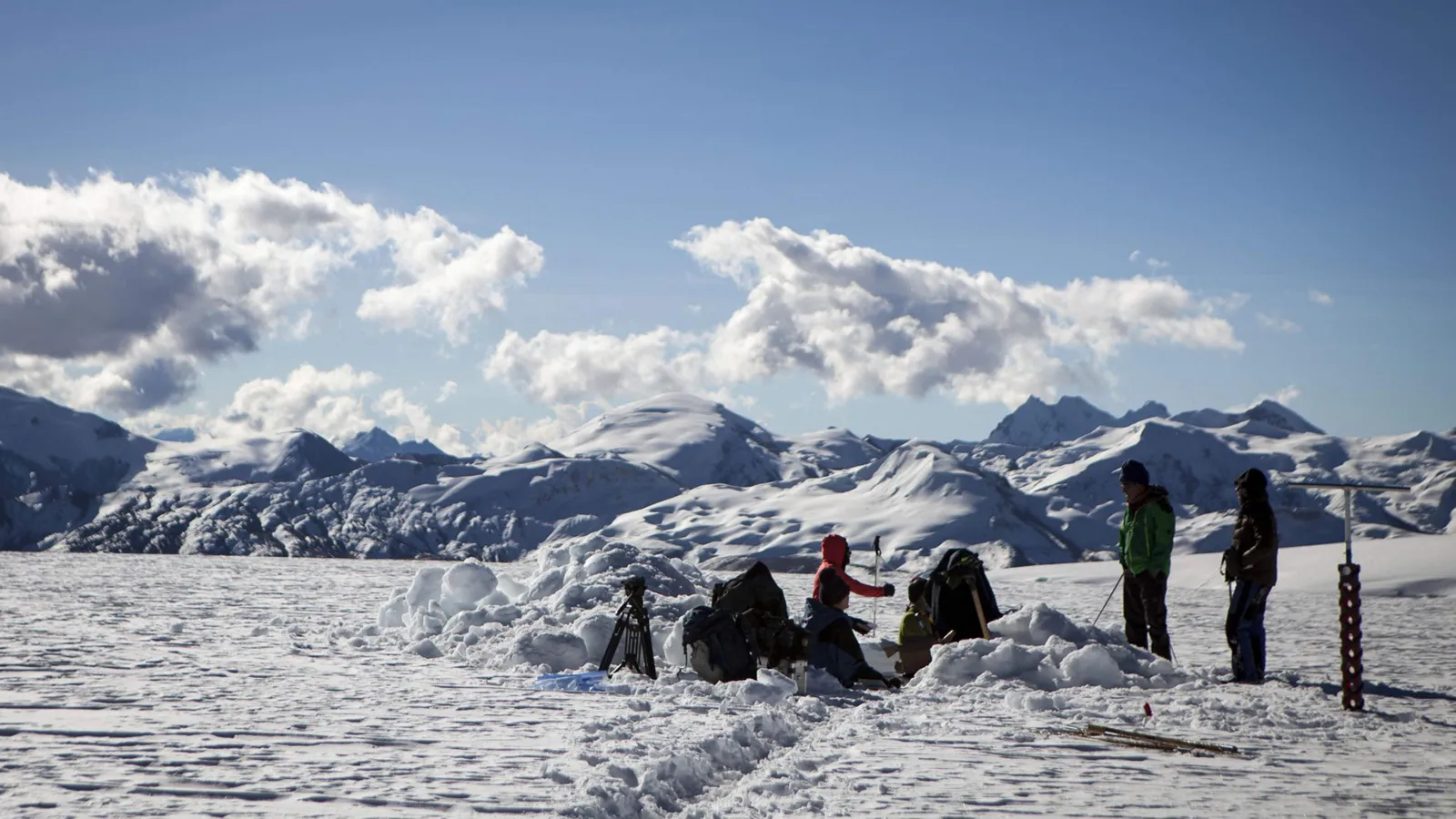
A new white paper by Byrd Center paleoclimatologist Lonnie Thompson outlines the case for creating a National Park in Peru's Quelccaya region, home to the world's largest tropical ice cap. The…
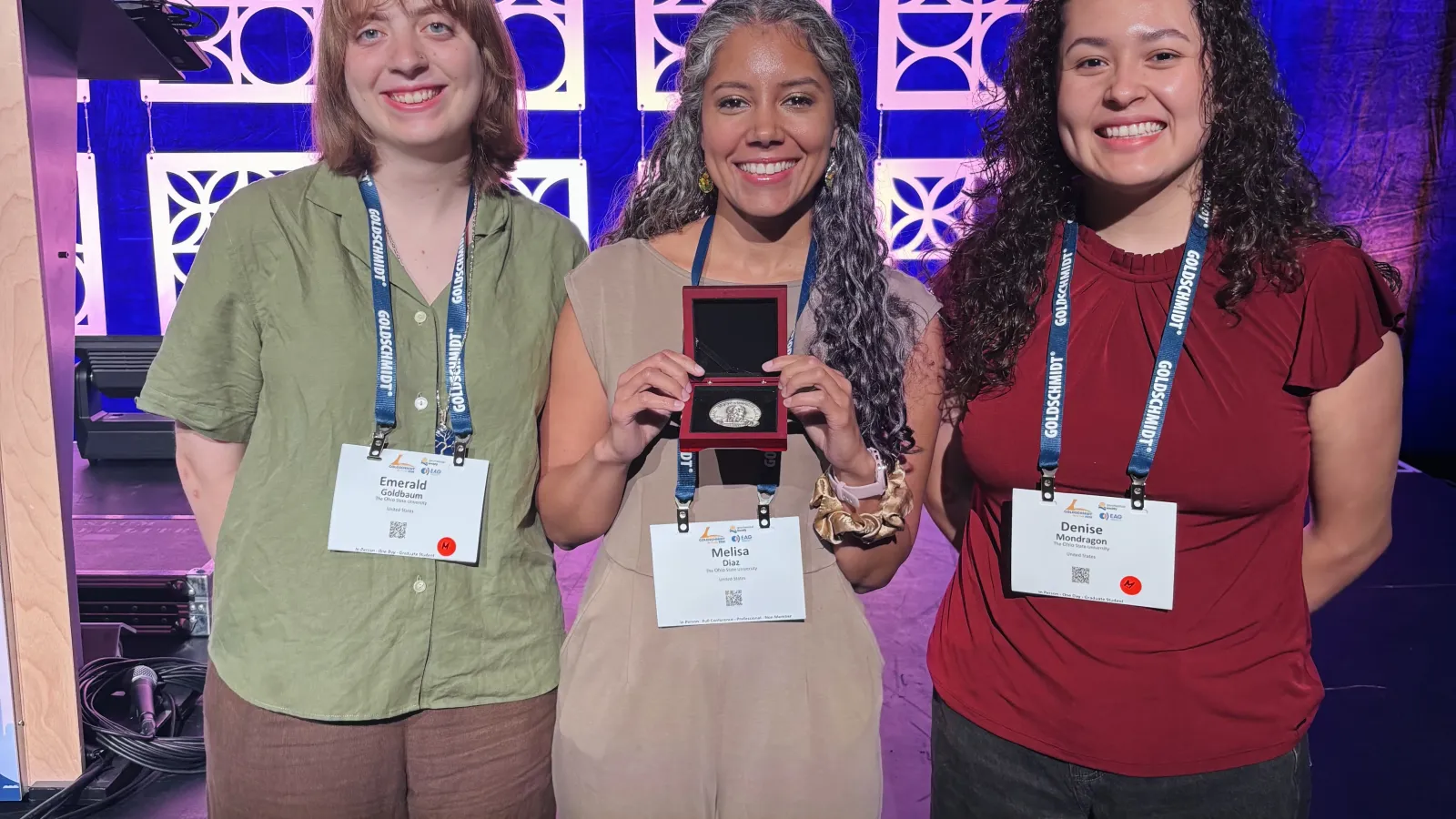
Professor and Byrd Polar and Climate Research Center Principal Investigator Melisa Diaz was recently honored with the F.W. Clarke Award for her pioneering research investigating the geochemical…

Congratulations to Emily Mazan on the successful defense of her Ph.D. dissertation, "A Multiscale Examination of Changing Mountain Climates: Integrating Observations and Modeling in the Snake…

Distinguished University Professor Lonnie Thompson was recently featured in the Summer 2026 issue of Ohio State Alumni Magazine. The article, "Power of 10," highlights 10 Distinguished University…
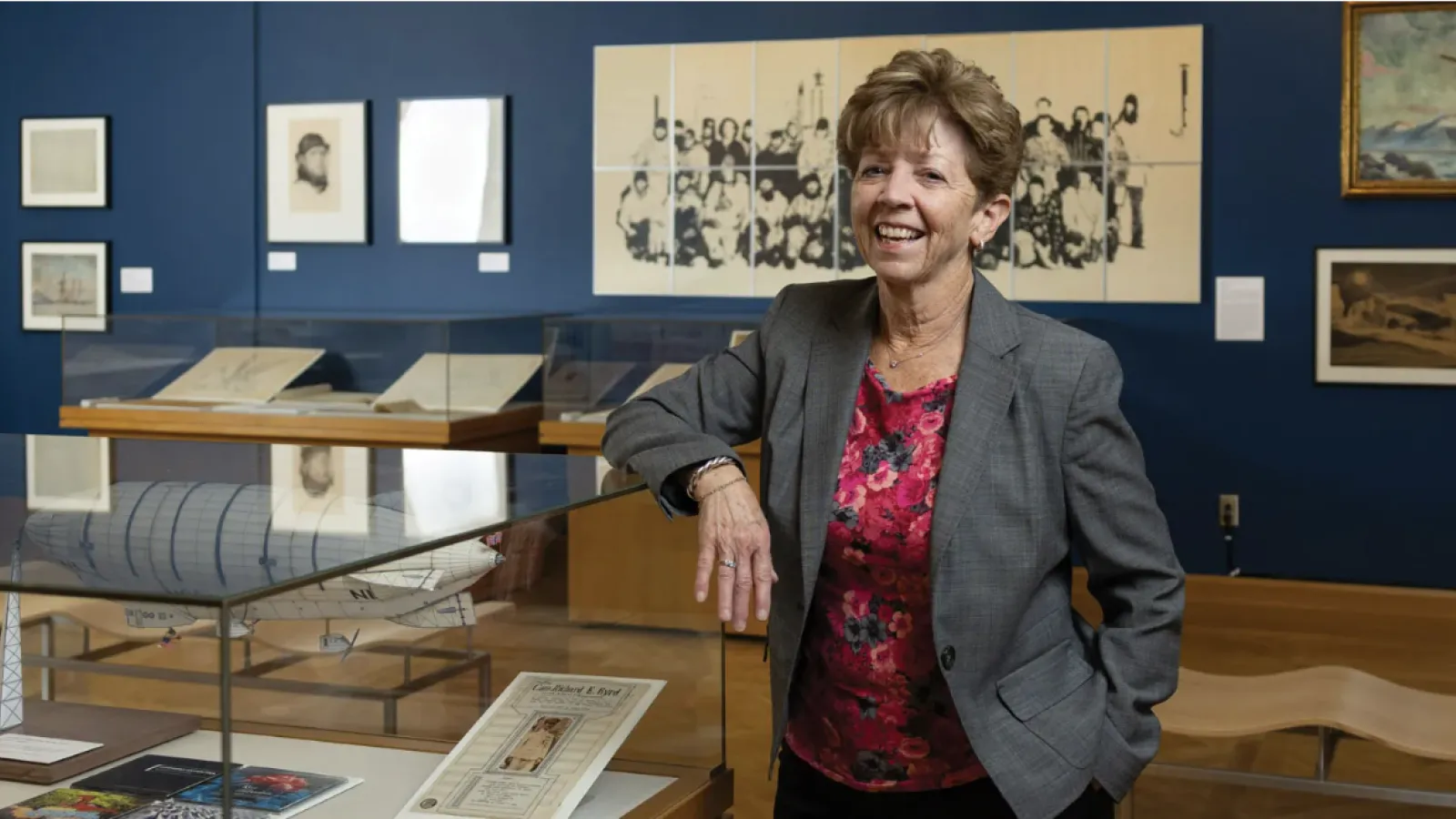
This article written by Erin MacLellan was originally shared in the Ohio State Alumni Magazine with photos taken by Jodi Miller.
Laura Kissel ’83 shaped Ohio State’s Byrd Center archives,…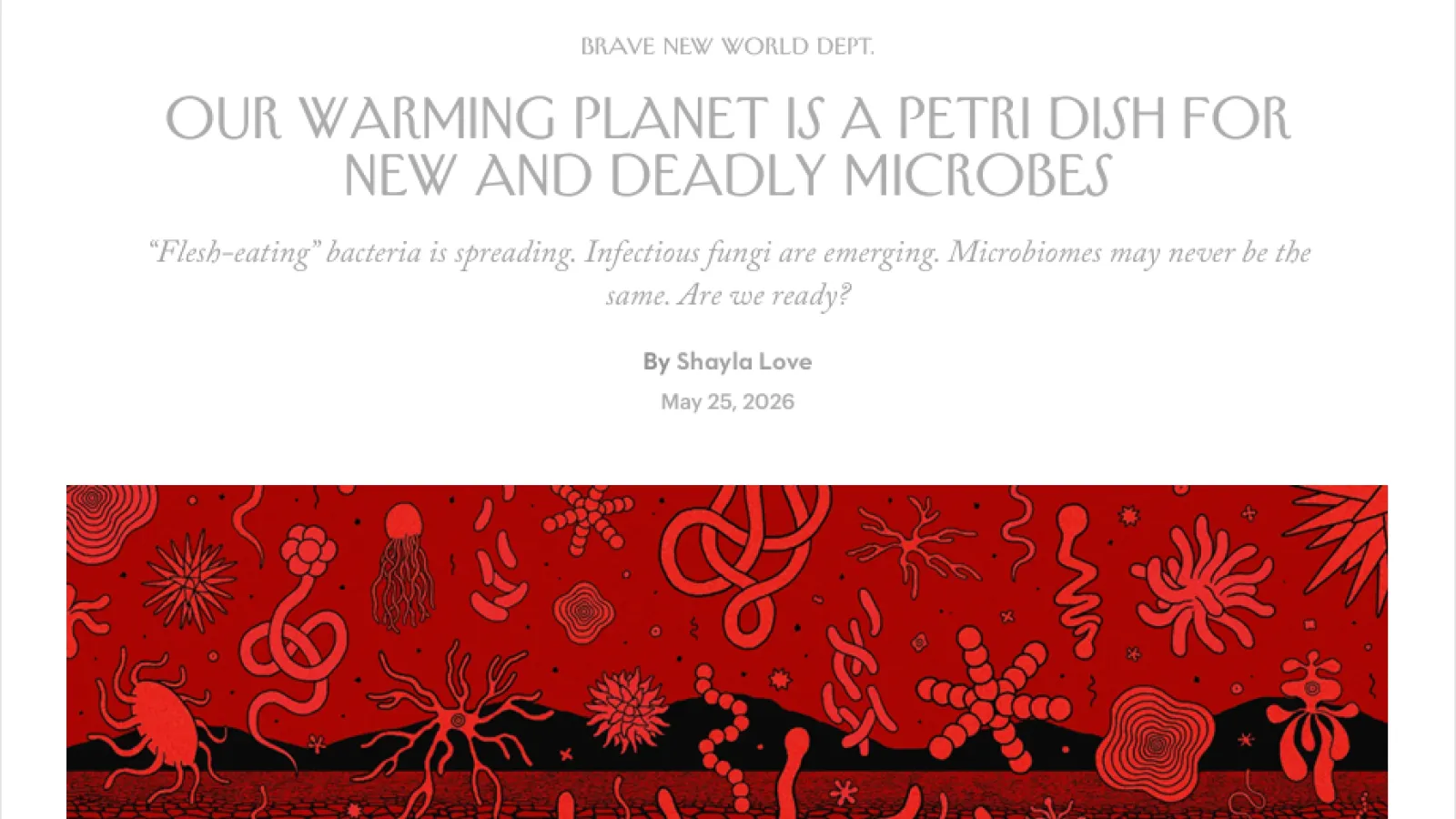
The Byrd Polar and Climate Research Center was recently featured in a New Yorker article exploring how climate change is transforming microbial life across the planet. In “Our Warming Planet…

Arriana Casanova, a 2026 graduate who earned her bachelor’s degree in Astronomy and Earth Sciences, was one of nine recipients of the 2025 Garry McKenzie and Henry Brecher Endowed Undergraduate…

Stanislav Kutuzov and his colleagues recently published “Geochemical characterization of millions of individual atmospheric particles entrapped in Antarctic ice across the last glacial…

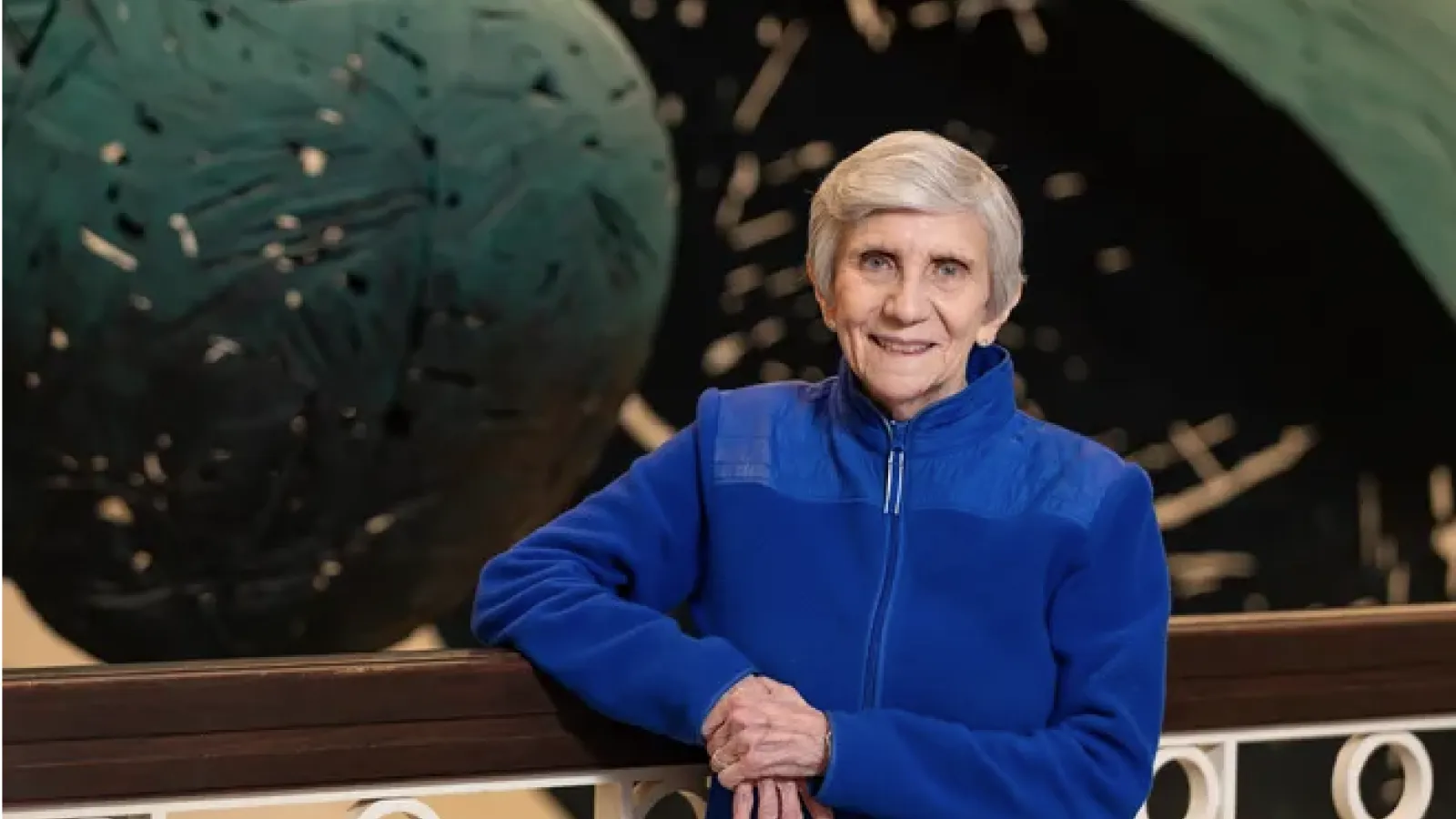
The Byrd Polar and Climate Research Center is proud to share that Ellen Mosley-Thompson, Distinguished University Professor Emerita and senior research scientist, has been named one of Columbus…
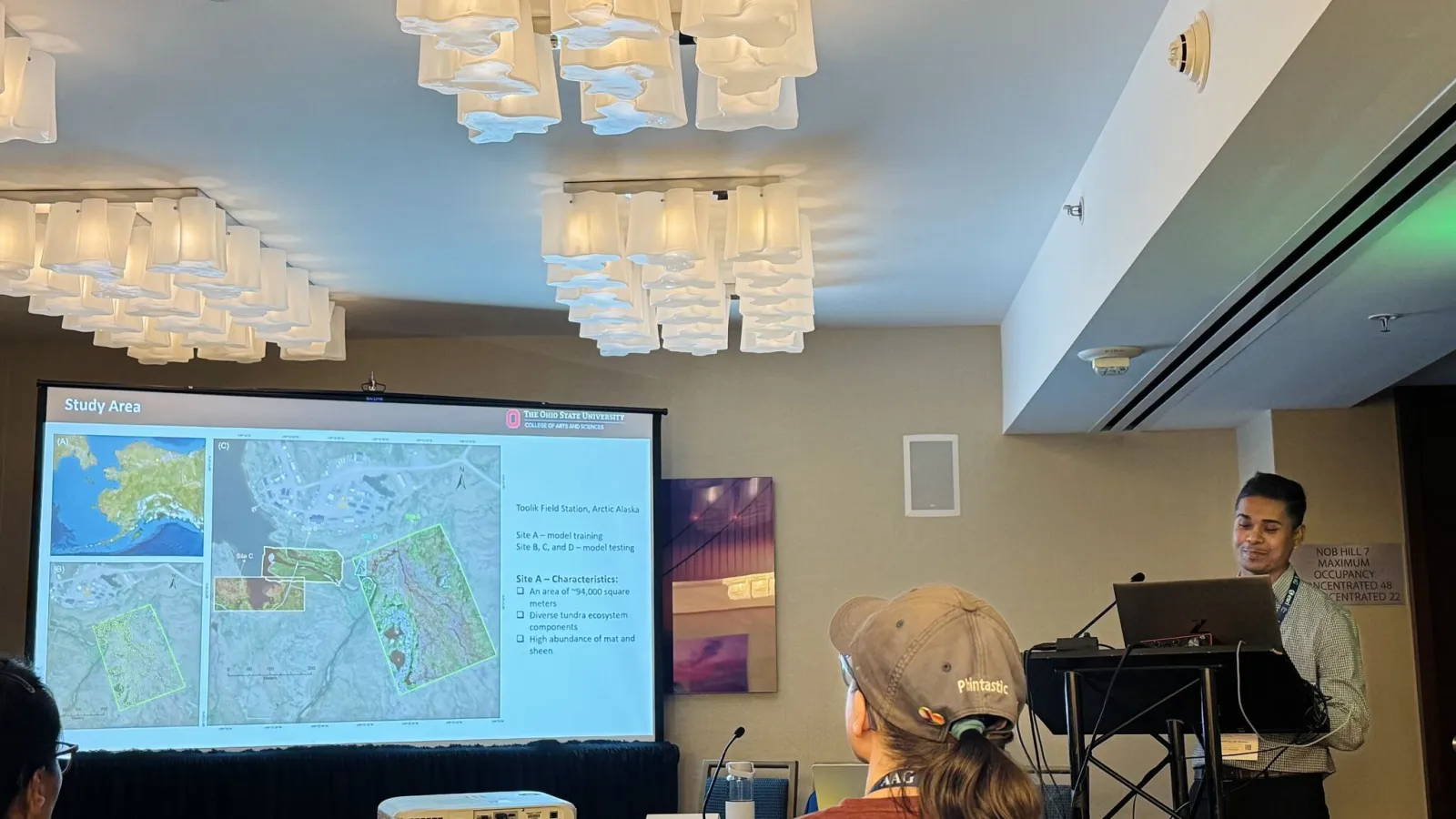
PhD student H Rainak Khan Real was recently awarded 2nd place at the OSU Hayes Research Forum for his presentation "From Microns to Meters: Using Remote Sensing to Understand the Spatial…

Glaciers in High Mountain Asia — a region encompassing the Tibetan Plateau and its surrounding mountain ranges — are shrinking rapidly, endangering water resources for millions of people…

Grace Davis, a third-year microbiology student was recently selected for the Ohio State's Summer Undergraduate Research Apprenticeship Program, which will support her project, “Microbial…
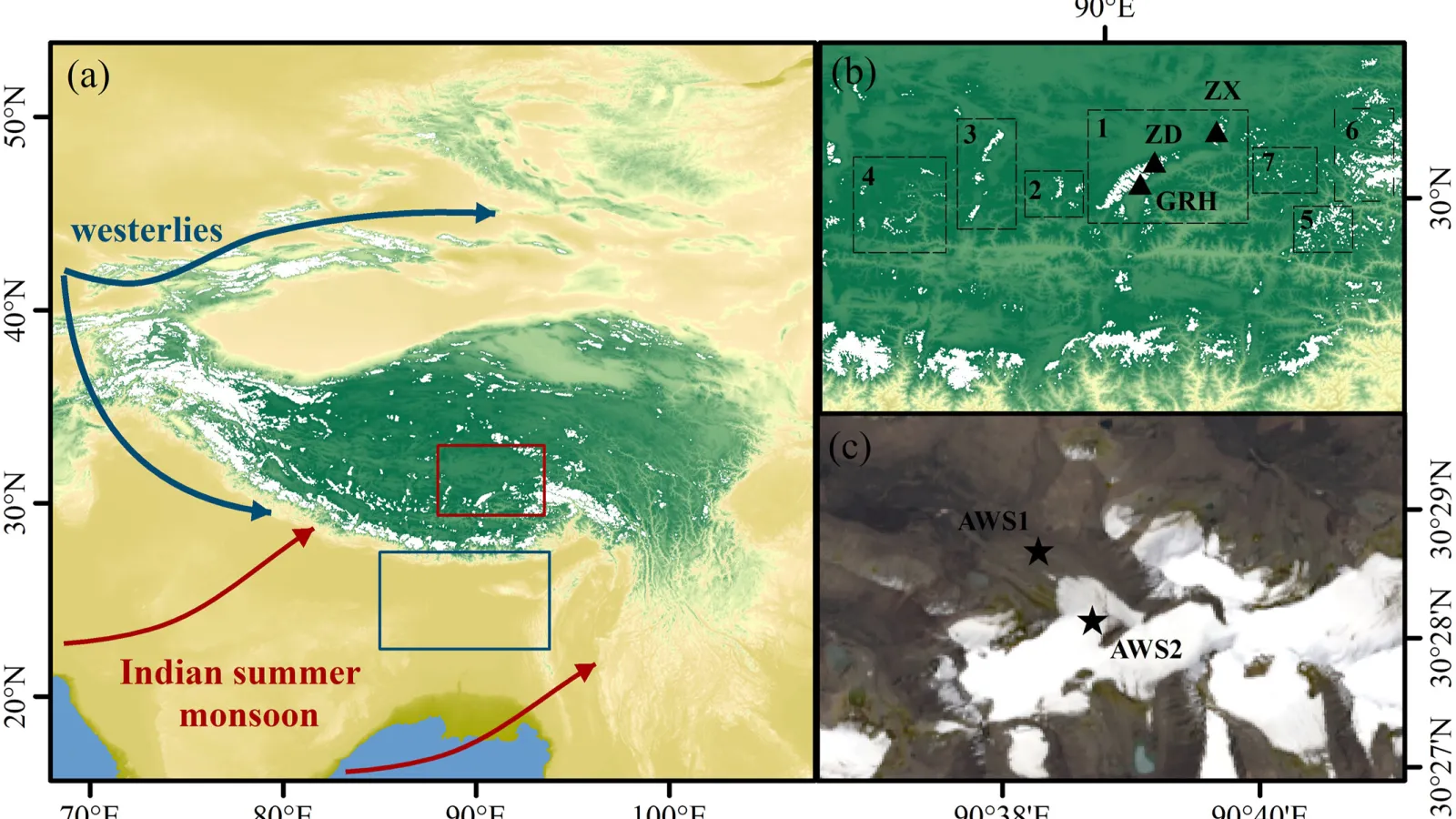
Meilin Zhu of the Center for the Pan-Third Pole Environment at Lanzhou University, together with Lonnie Thompson, Distinguished University Professor in the School of Earth Sciences and Senior…
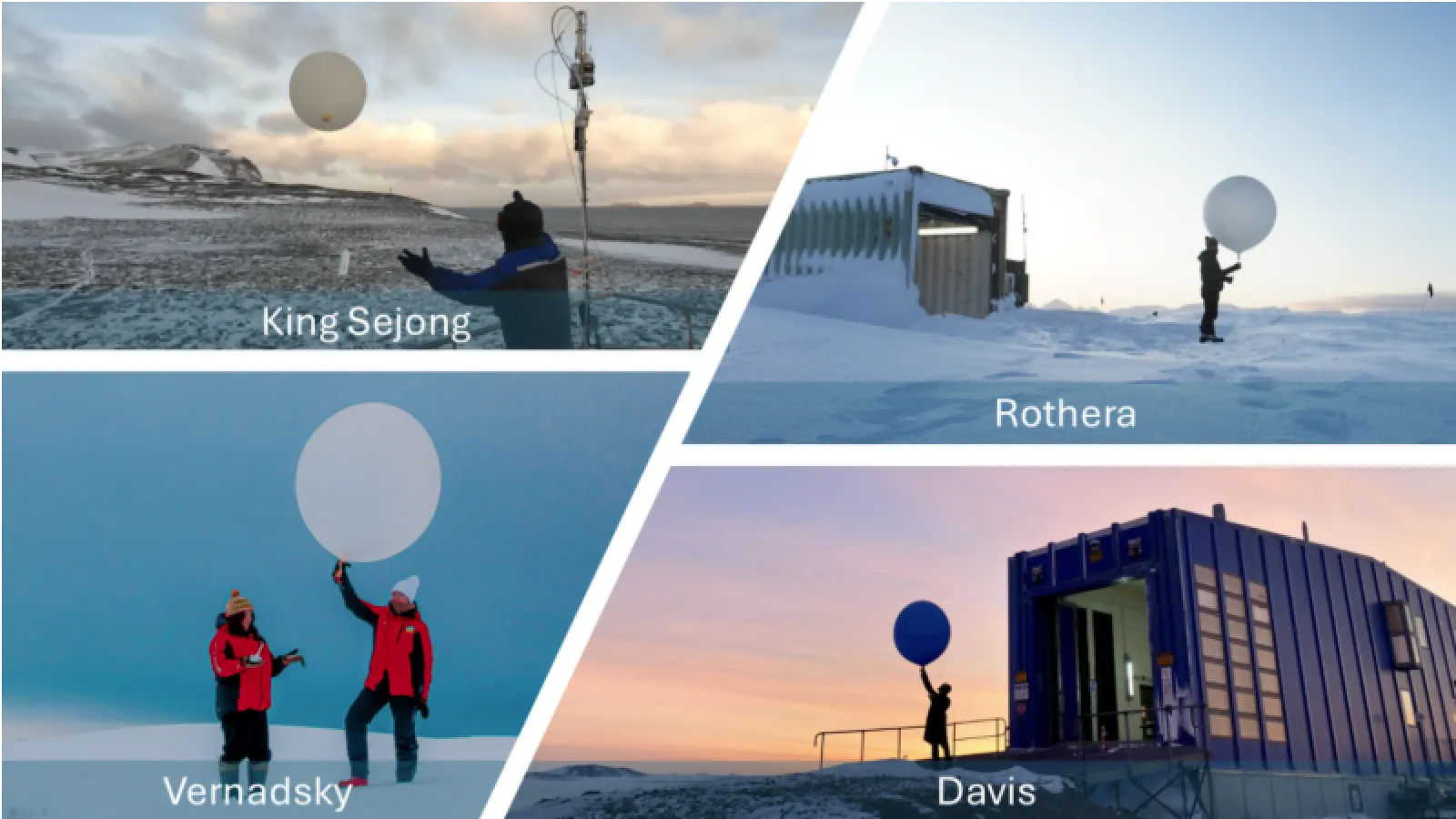
David Bromwich, professor in the Department of Geography at The Ohio State University and principal investigator with the Polar Meteorology Group at the Byrd Polar and Climate Research Center, and…
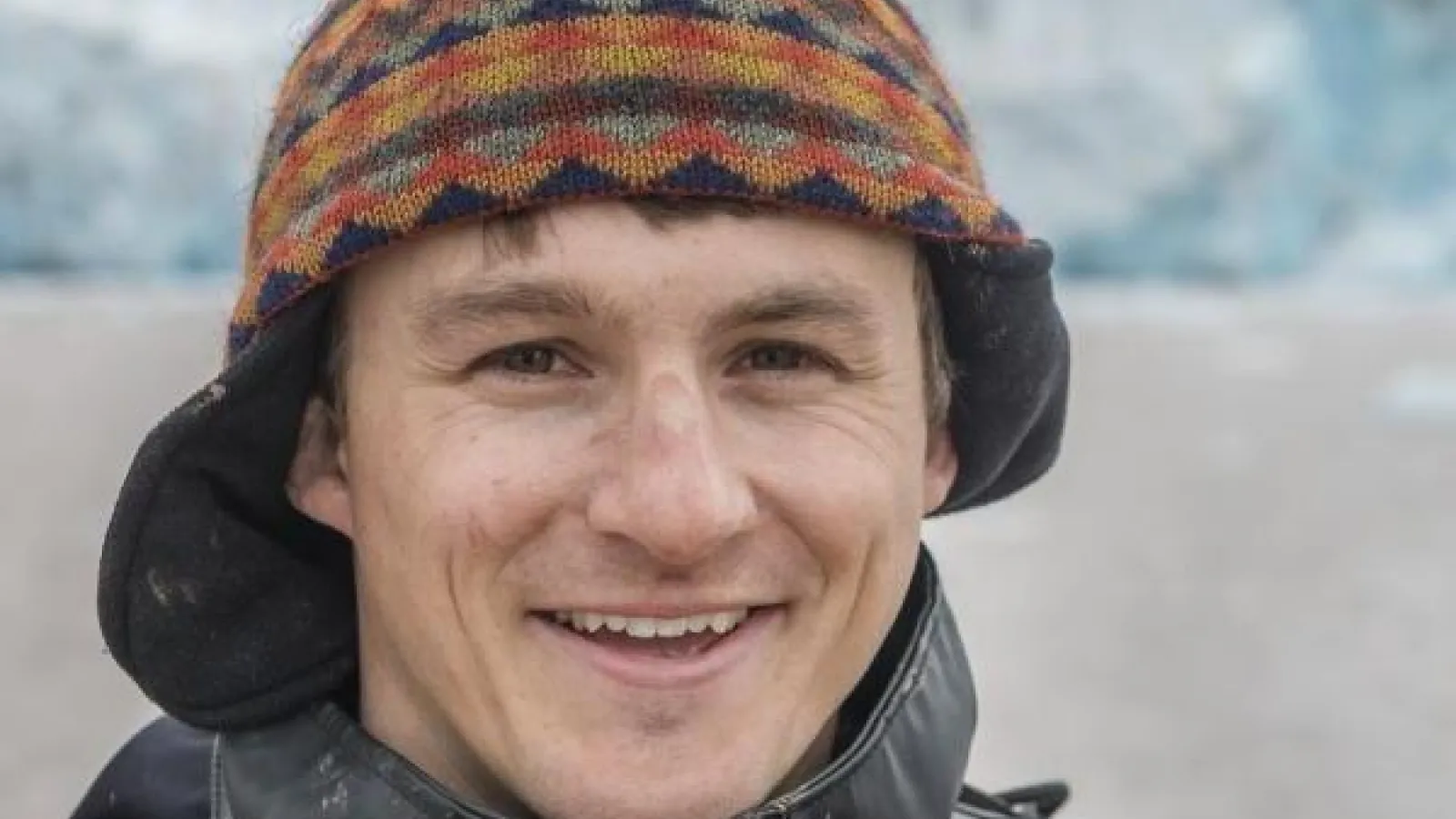
SES Assistant Professor Alex Michaud is a recipient of the 2026 Excellence in Undergraduate Research Mentoring Award. The annual honor is given by Undergraduate Research & Creative Inquiry in the…
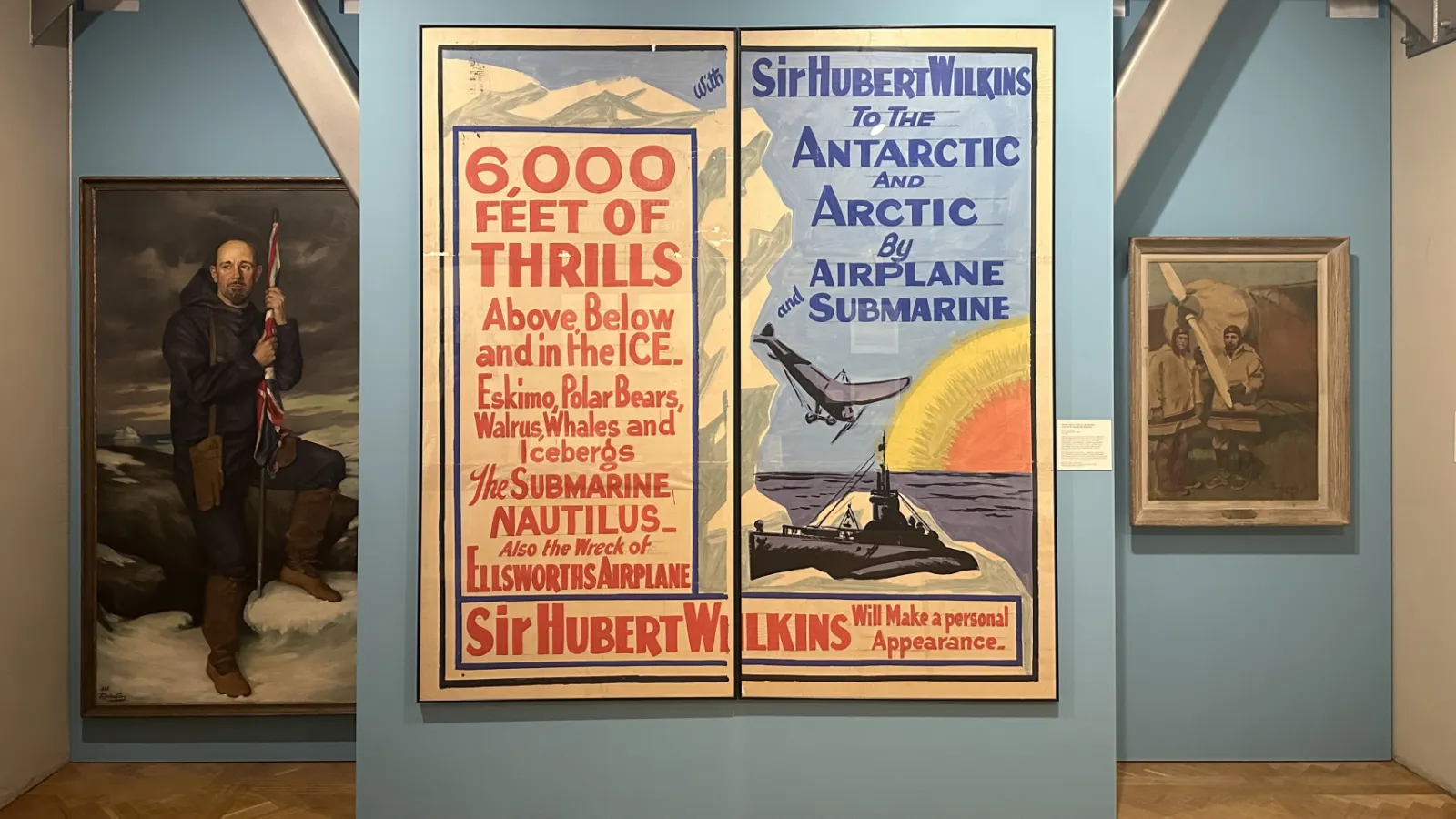
Laura Kissel, polar archivist for the Byrd Polar and Climate Research Center Archival Program at The Ohio State University, curated Polar Expressions: Finding Beauty in the Coldest Regions on…
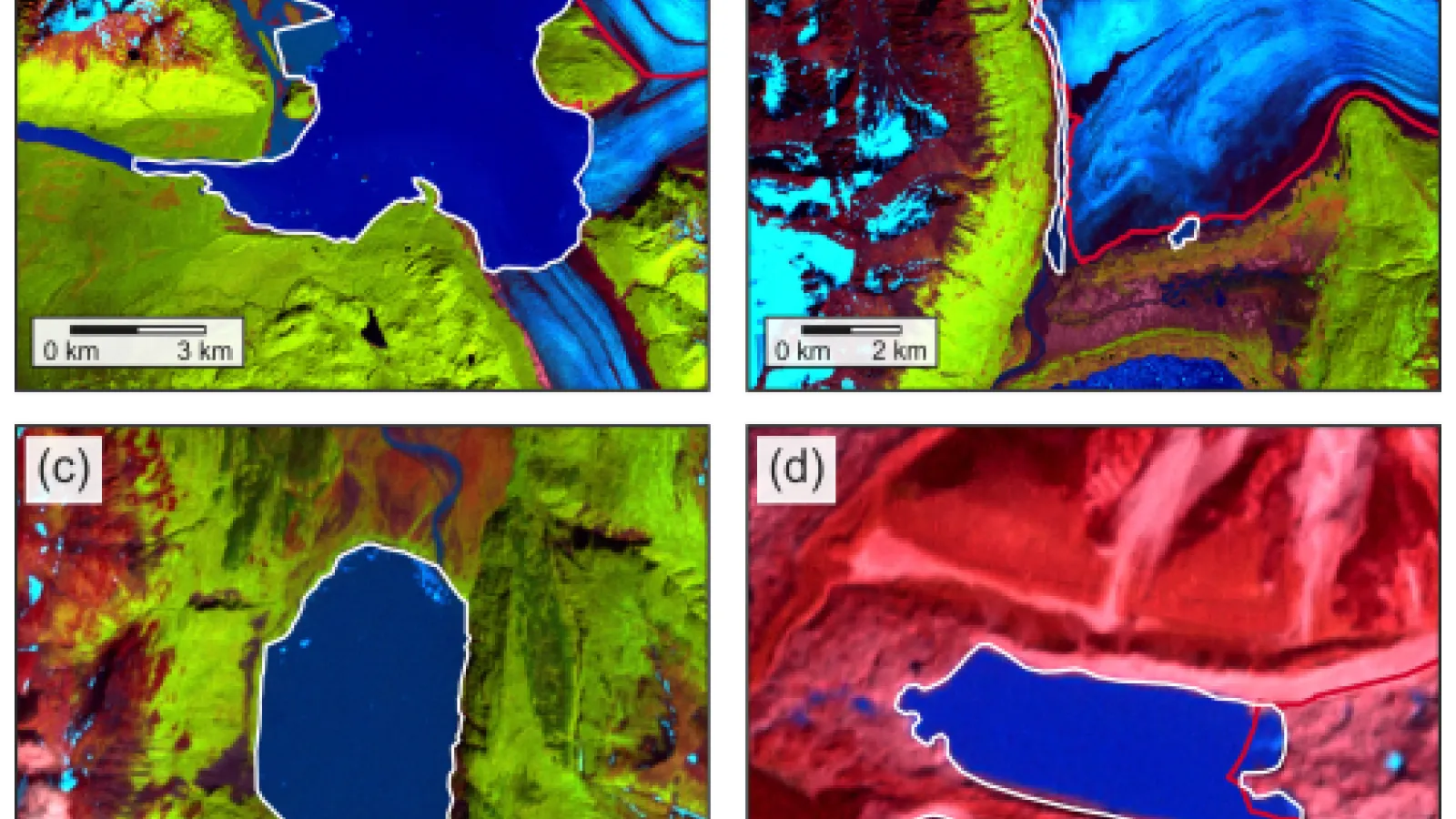
Stanislav Kutuzov, affiliated with The Ohio State University School of Earth Sciences and principal investigator at the Byrd Polar and Climate Research Center, is a co-author on a new paper…
The Ohio State University, School of Earth Sciences (SES) Professor and Interim Director of the Byrd Polar and Climate Research Center Michael Durand and his team have been published in…
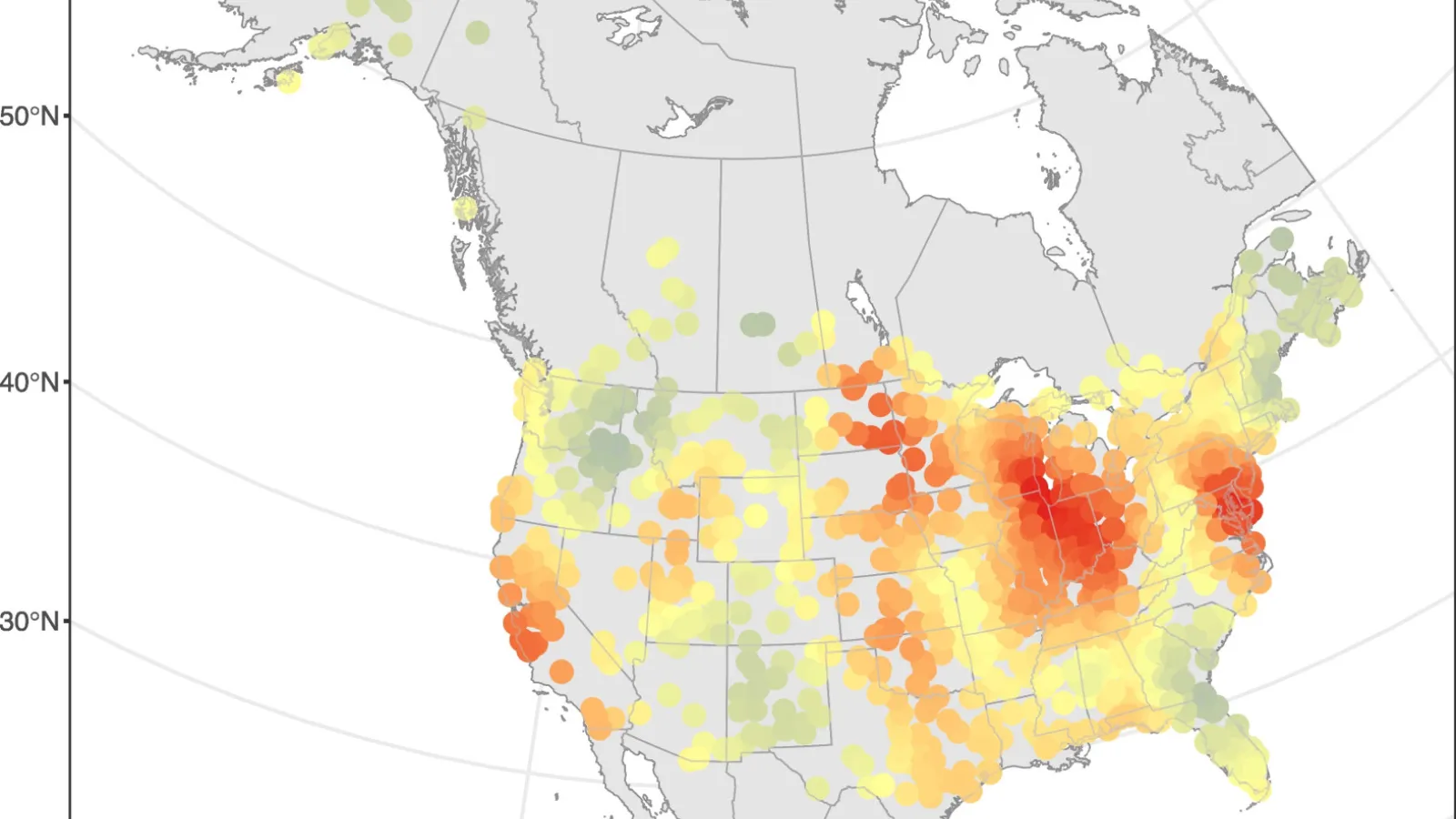
Marta Jarzyna, associate professor of Evolution, Ecology, and Organismal Biology and principal investigator at the Byrd Polar and Climate Research Center, and her colleagues have…
Ken Jezek is the lead author, and Joel Johnson is a co-author.
Corresponding authors: Giovanni Macelloni, and others.
Wideband Radiometry From P to S Band for Monitoring Polar…
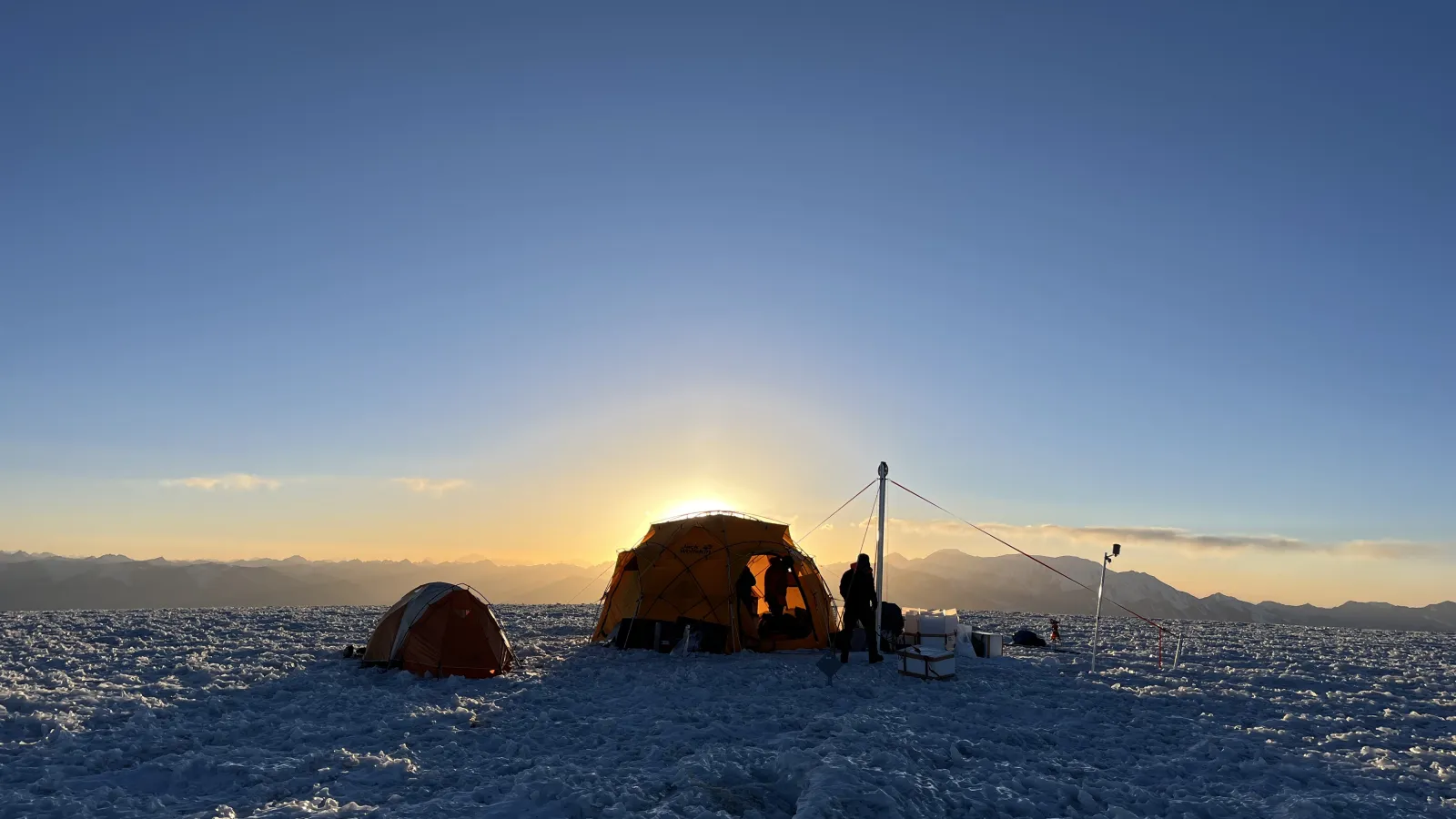
The Byrd Center hosted a photo contest for members, and members responded, submitting photos climbing glaciers, drilling ice cores, storm chasing, and more. 2025 contest winners included:

The Ohio State team has documented a small, high-elevation pond in Antarctica’s Transantarctic Mountains that appears to have remained frozen for decades. The team reports that the pond sits on the…
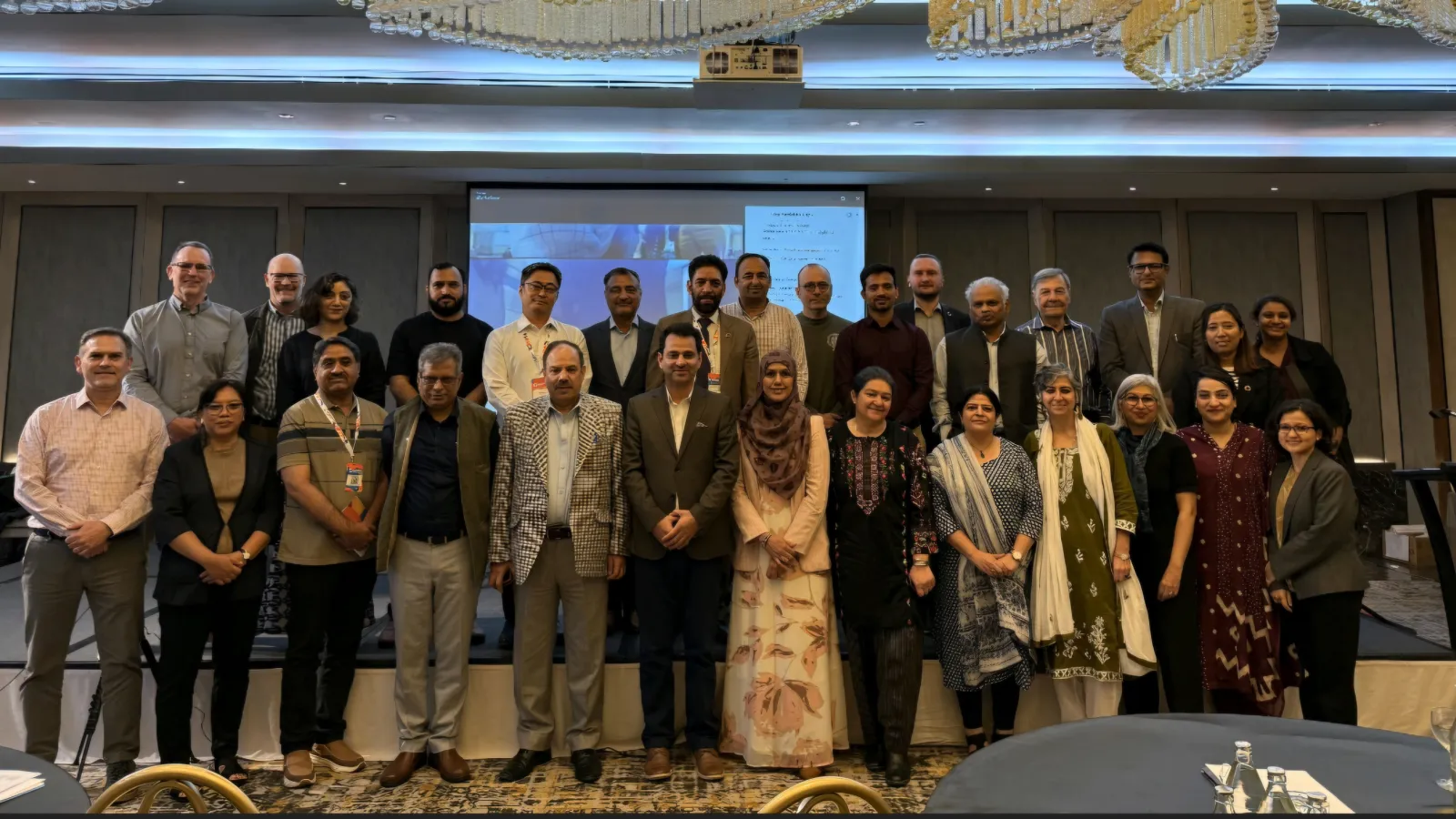
The Ohio State University Indus Basin Project team includes Professor Nicholas Breyfogle (Department of History; Director, Goldberg Center), Fazlul Haq (Byrd Polar and Climate Research Center),…
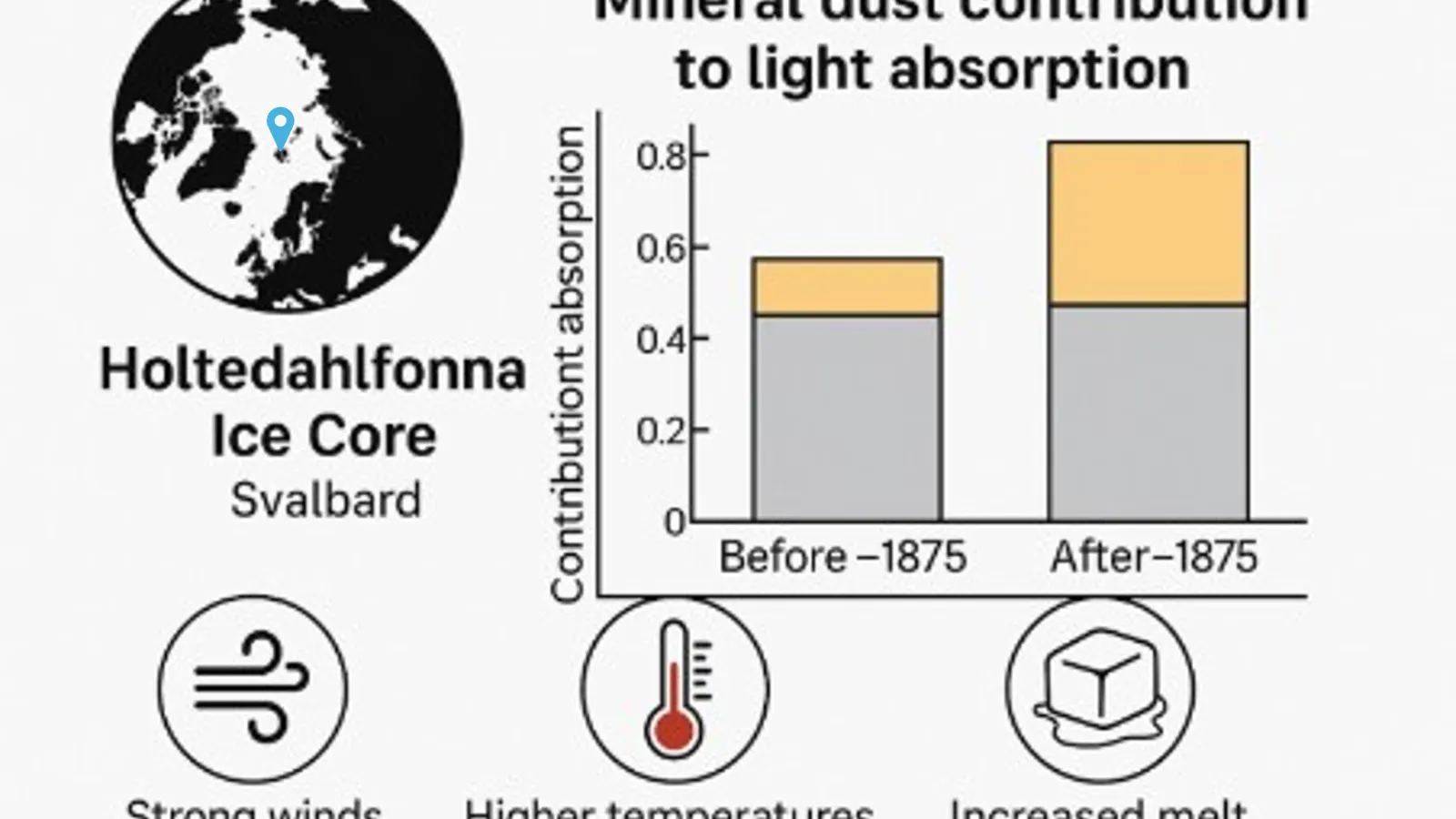
The Ohio State University, School of Earth Sciences (SES), Assistant Professor Emilie Beaudon, co-authored a study proposing a new dust proxy in an Arctic ice core. A principal investigator at the…
Today, the team completed decommissioning of GNSS site PECE. After nearly 25 years of collecting data crucial to understanding ice sheet stability and Antarctica’s vital role in global climate…
The Ohio State University’s School of Earth Sciences is proud to announce that Dr. Melisa Diaz, SES faculty member and polar geochemistry expert, will serve as co-lead of the Cryosphere Domain for…

Study explores ecological effects of phage resistance in marine setting
Marine bacteria are key to determining whether carbon is recycled near the ocean surface or transported to…
Geography and Ohio State’s new BuckAI Observatory
As many of you will know, geographers are well-represented in ASC’s new BuckAI Observatory, housed in Earth Sciences and run by Joachim…

Midwest Moxie's executive producer is Audrey Nowakowski.
Steven Quiring knew his technology solved a problem for utilities. And based on projects he’d been involved in, he knew…

The Lois M. Jones Award for Science Access, Engagement and Communication honors Lois M. Jones (1935-2000), a geochemist from The Ohio State University who led the first all-woman research…

The Rick Toracinta Endowed Graduate Scholarship honors Dr. Richard (Rick) Toracinta and is awarded biennially to an outstanding graduate student at The Ohio State University…

A Columbus man who has spent most of his life collecting ice in the tropics will be featured on Comedy Central’s The Daily Show next week. But make no mistake. Ohio State Professor Lonnie…

The Ohio State University Distinguished University Professor, Earth Sciences, Senior Research Scientist Lonnie Thompson recently returned from a three-week intensive trip to Peru, where he…

A new study led by Oregon State University paleoclimatologist Peter U. Clark reports that global sea level fluctuated far more dramatically—and more frequently—throughout the last ice age than…

COLUMBUS, Ohio — When the weather turns, farmers aren’t the only ones who need to know what’s happening on the ground.
In some of Ohio’s most rural counties — especially across the northwest…

A new international study has provided essential insights into how clouds interact with radiation over the Southern Ocean, a key factor in Antarctic weather and climate dynamics and global climate…

An international team under the Swiss Polar Institute's PAMIR Flagship Initiative has completed a five-week, high-altitude drilling campaign on the Kon Chukurbashi Ice Cap in Tajikistan's Pamir…
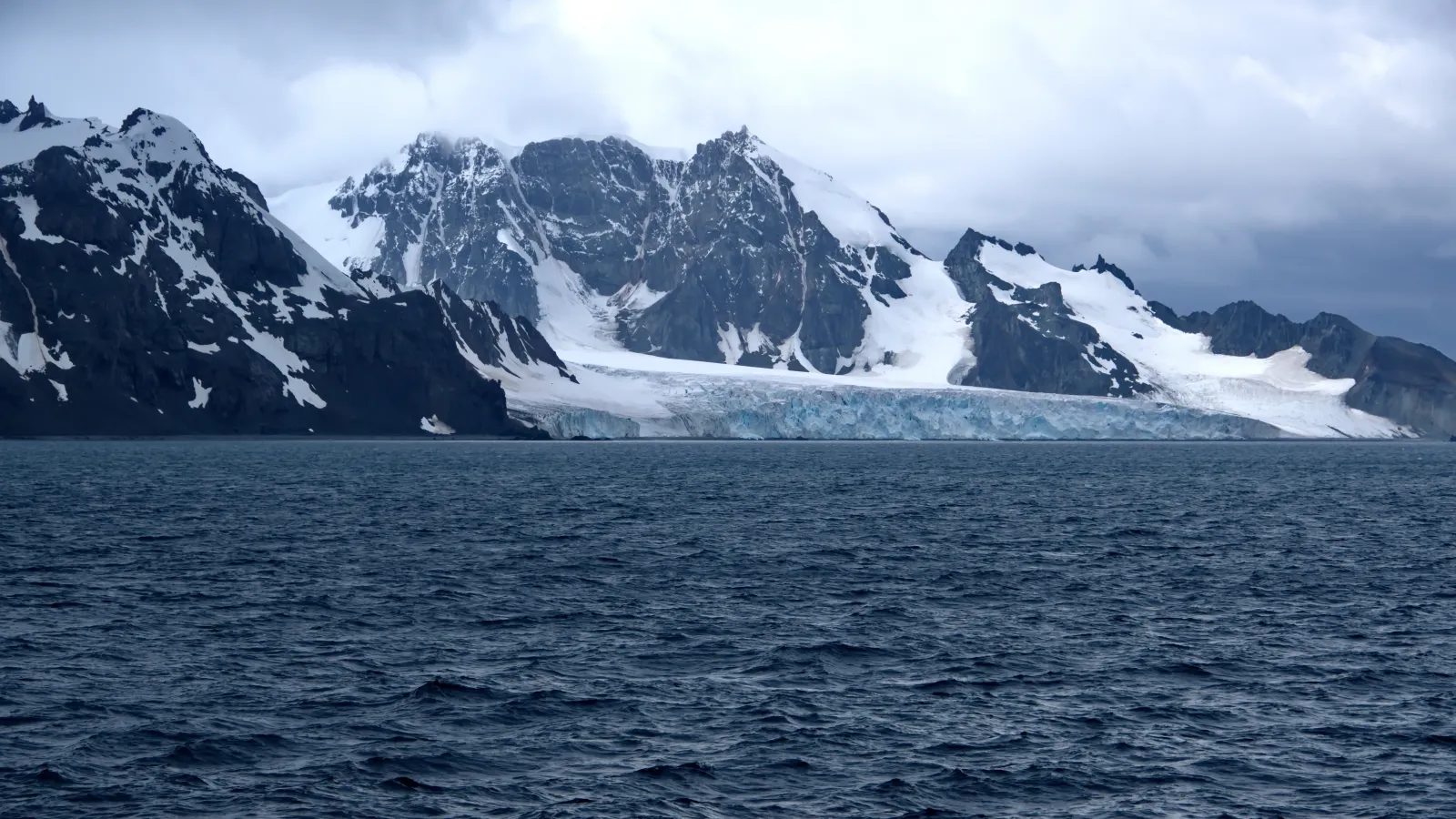
A recent study published in Nature Communications finds that Antarctic Bottom Water (AABW) overturning circulation slowed rather than strengthened during the early phase of the last…

BBC World Service’s The Climate Question—stories on why we find it so hard to save our own planet, and how we might change that, spotlights how ice cores from Antarctica to Peru’s…
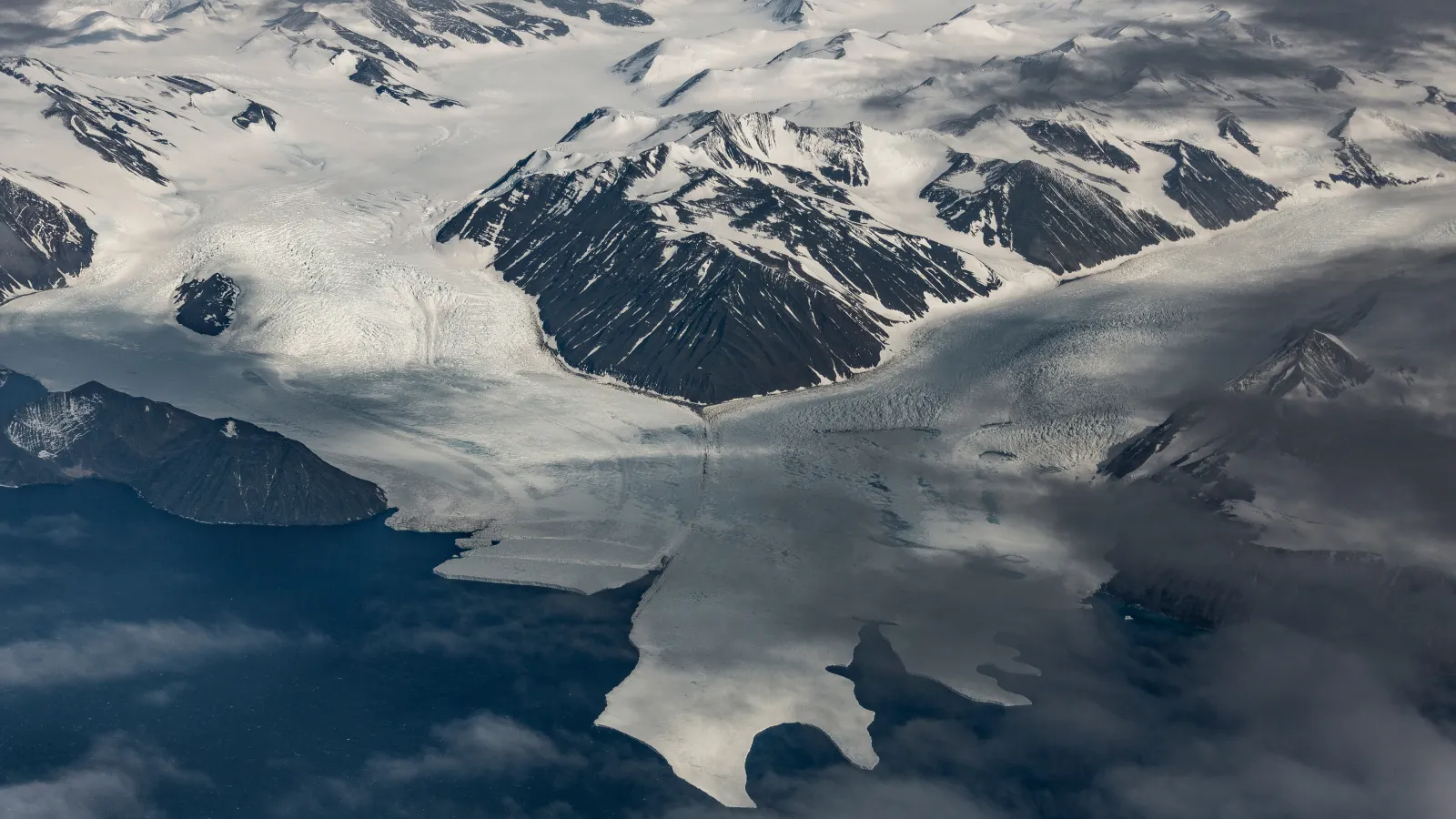
A new study published in Nature Communications reveals that summer warming deep inside East Antarctica is being driven by rapid ocean warming thousands of kilometers away in the southern…
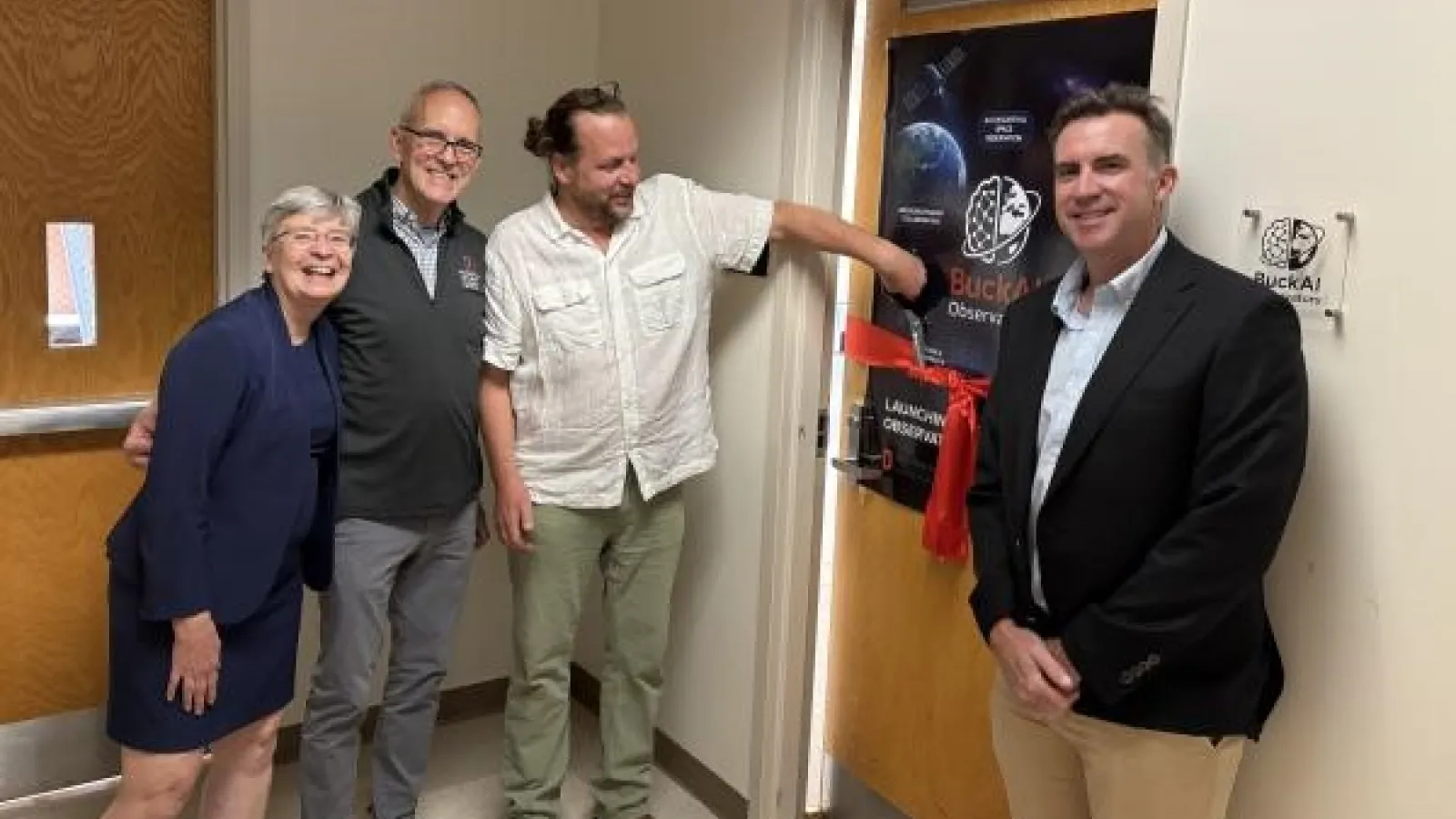
To capitalize on the opportunities offered by artificial intelligence (AI) and The Ohio State University’s focus on becoming a national leader in the field, the College of Arts and Sciences has…
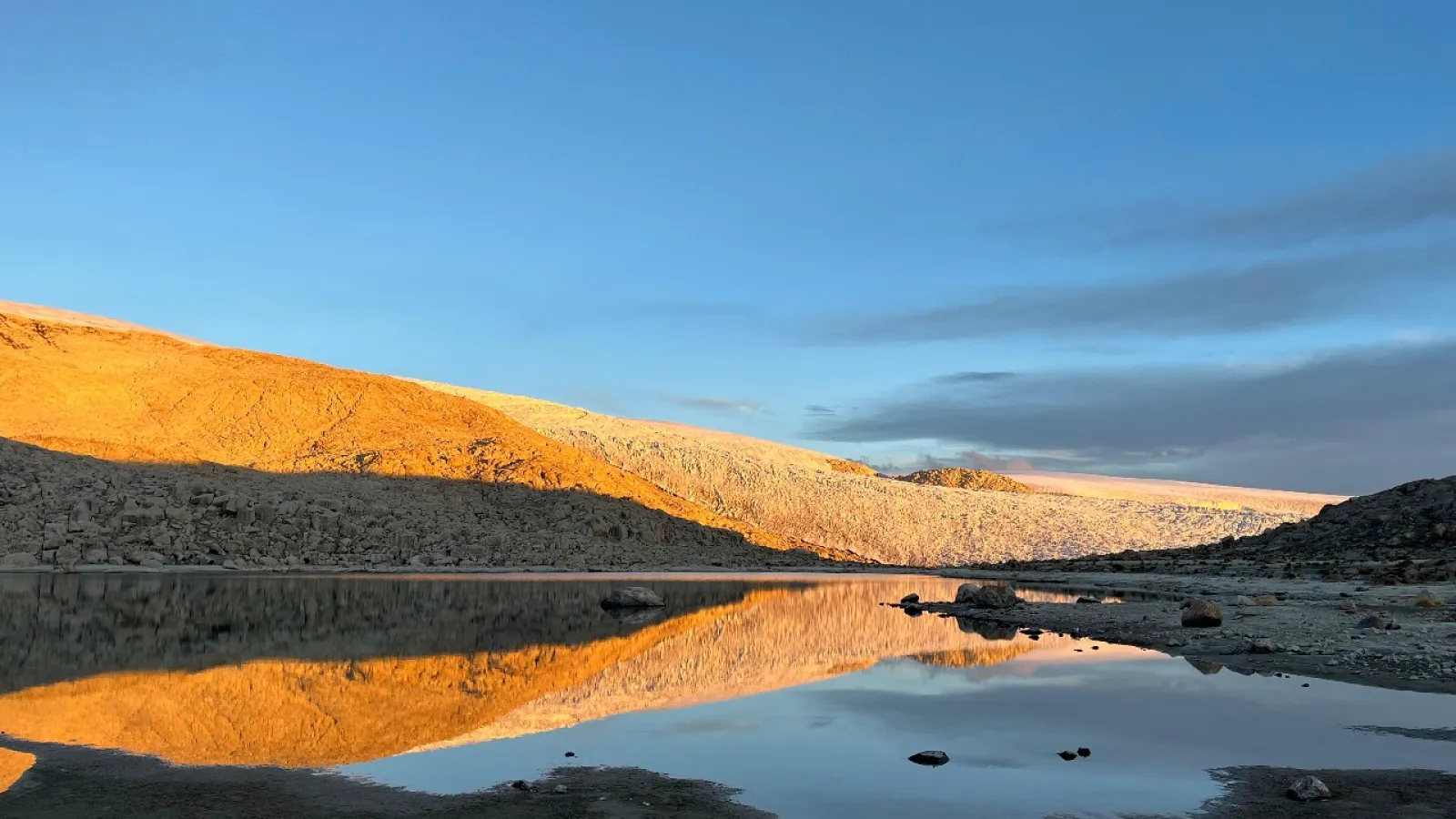
Lonnie Thompson, Senior Research Scientist at the Byrd Polar and Climate Research Center and Distinguished University Professor of Earth Sciences at The Ohio State University, recently spoke with …
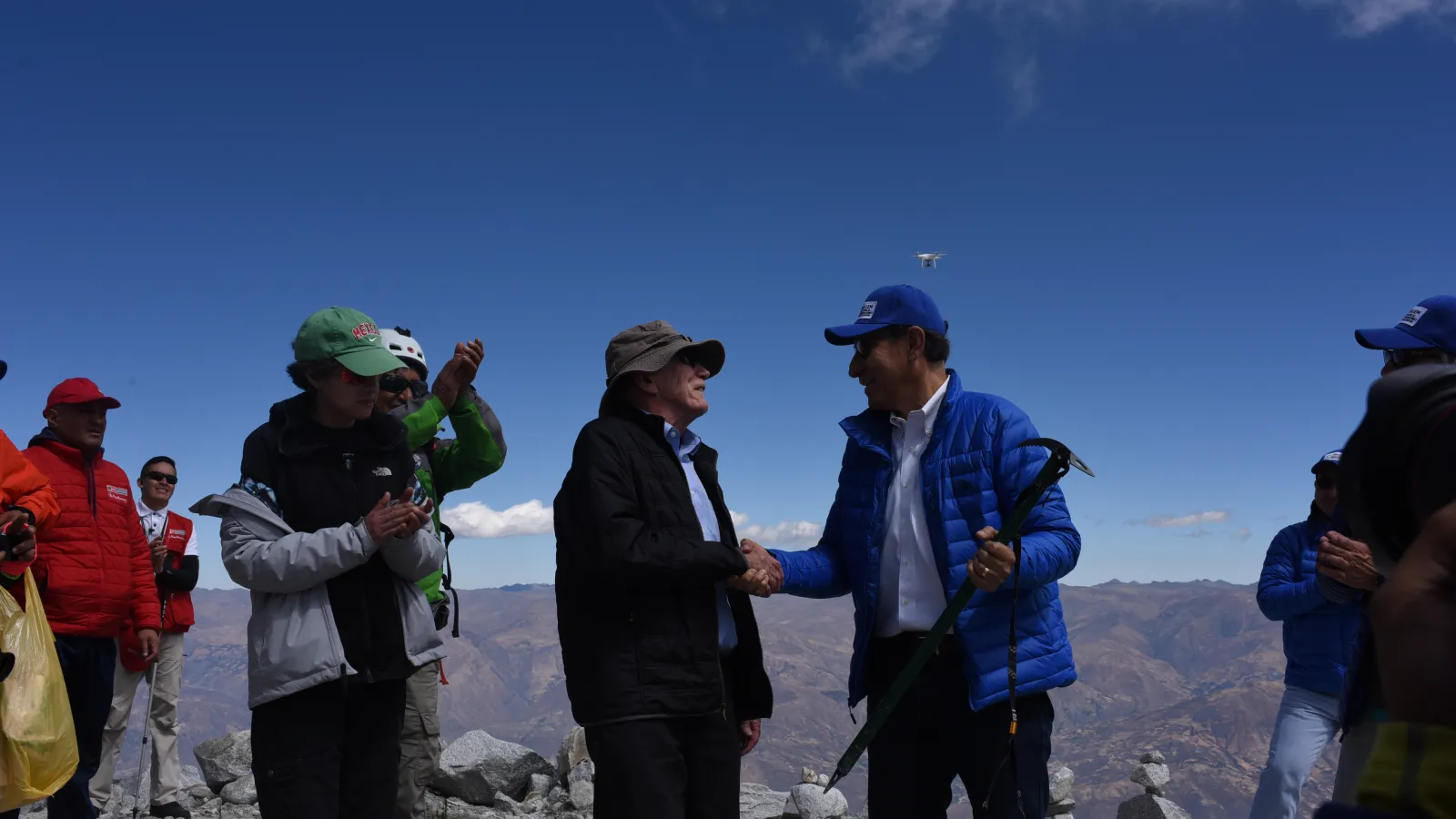
Researchers led by The Ohio State University's Earth Sciences Professor Lonnie Thompson, a Senior Research Scientist at the Byrd Center's Ice Core Paleoclimatology research group and a world…

The American Society for Microbiology (ASM) has announced its 2026 Awards and Prize Program honorees. Among the recipients is Matthew Sullivan, professor in the Departments of Microbiology and…
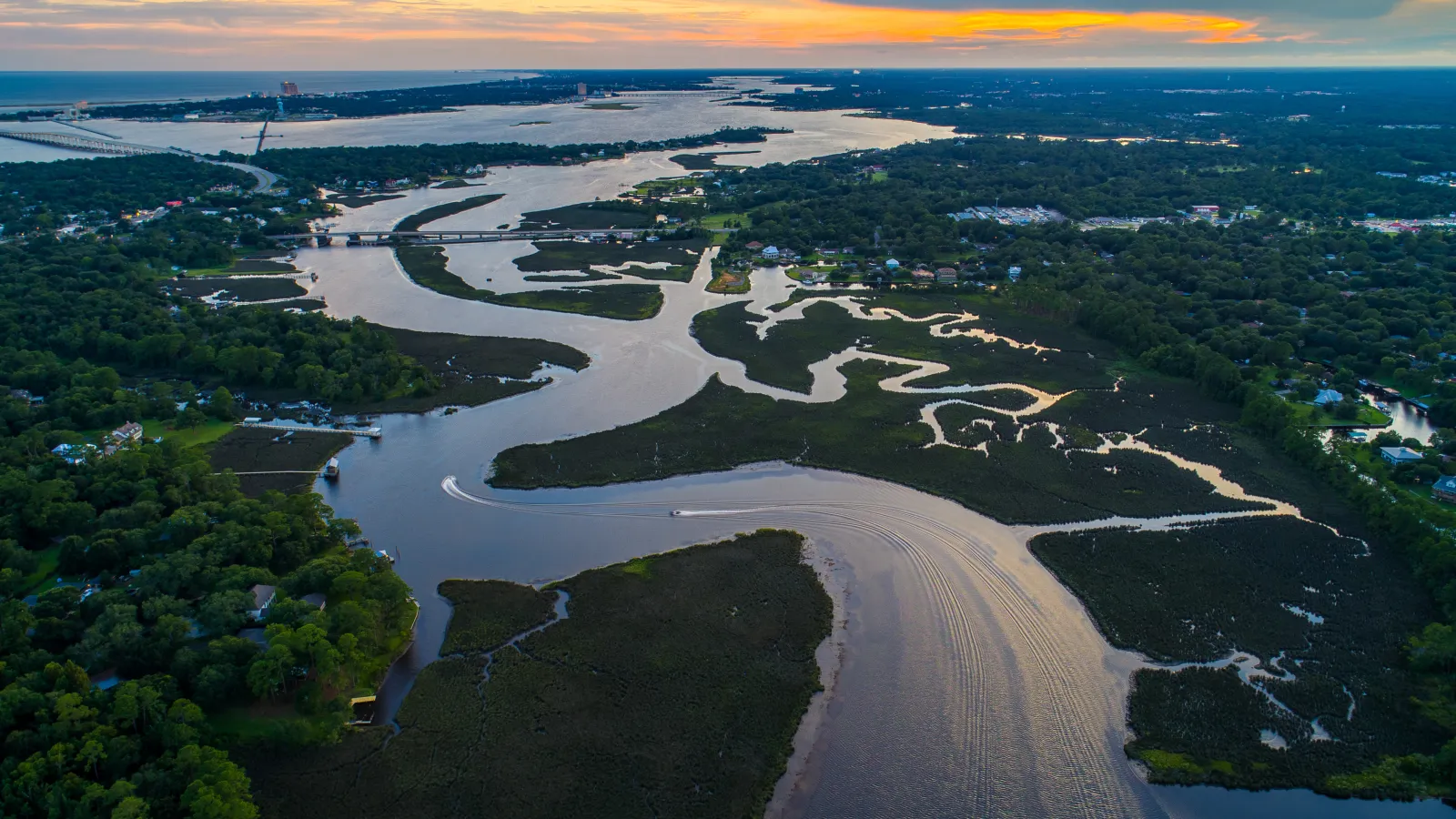
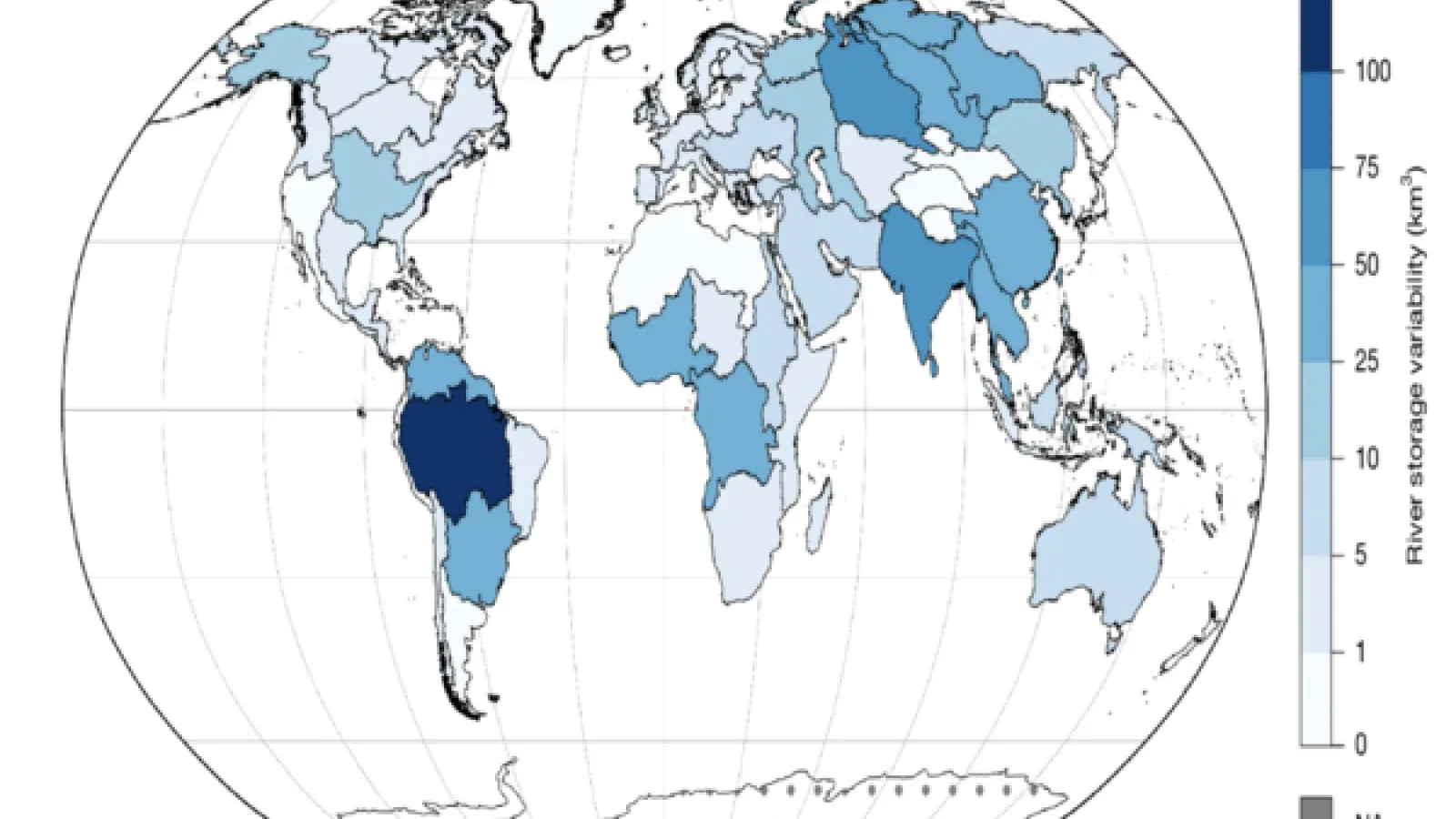
A study led by an international team of researchers published in Geophysical Research Letters reports the first global estimates of river discharge, the volume of water flowing past a…

Dr. Emilie Beaudon, Research Scientist at the Byrd Polar and Climate Research Center and Assistant Professor in the School of Earth Sciences, has been awarded an NSF-CAREER grant. Her 5-year…
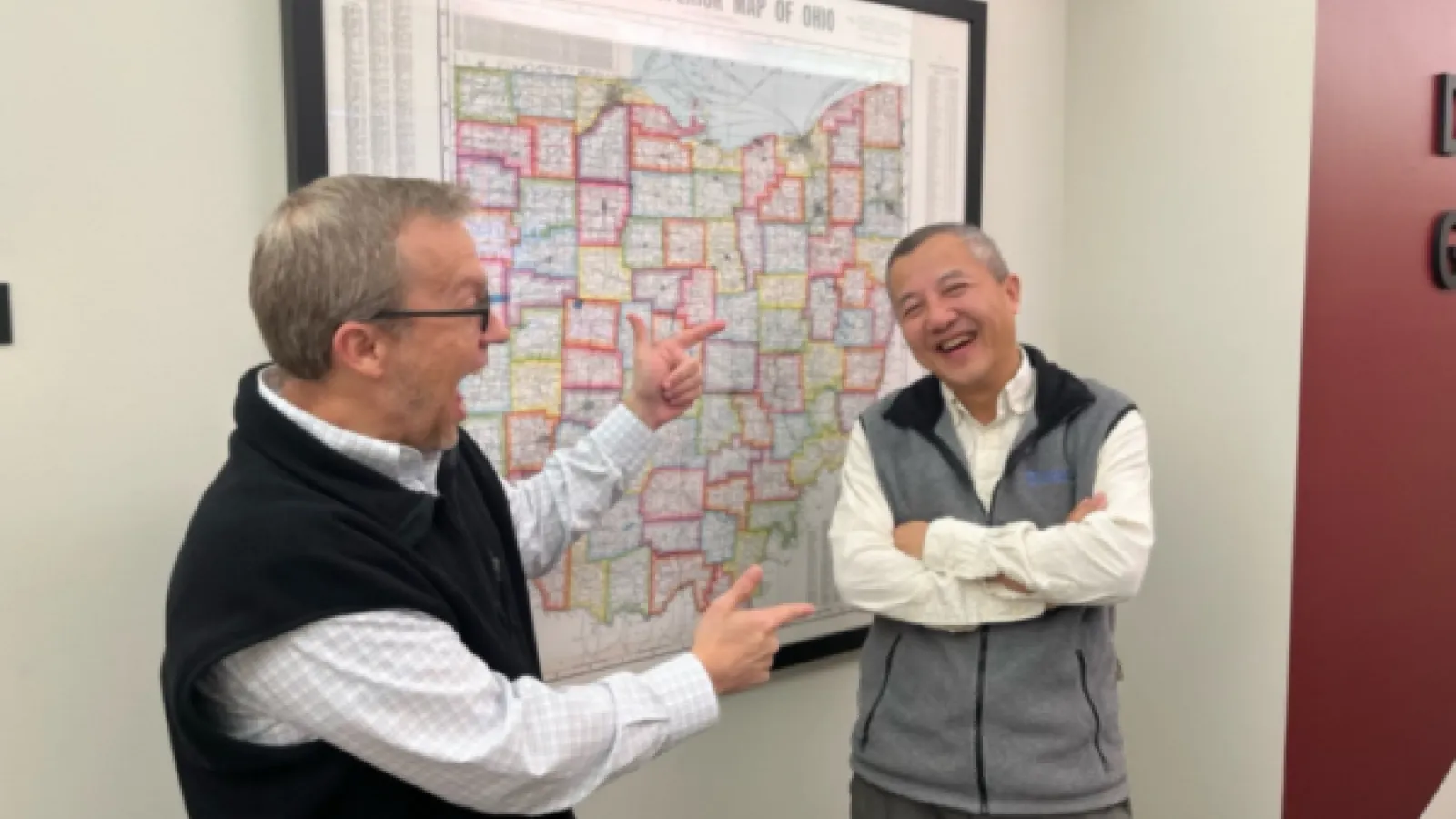
Congratulations, Byrd Center's Principal Investigators and Professors in the Atmospheric Sciences program in the Department of Geography, at The Ohio State University,
Professor Steven…
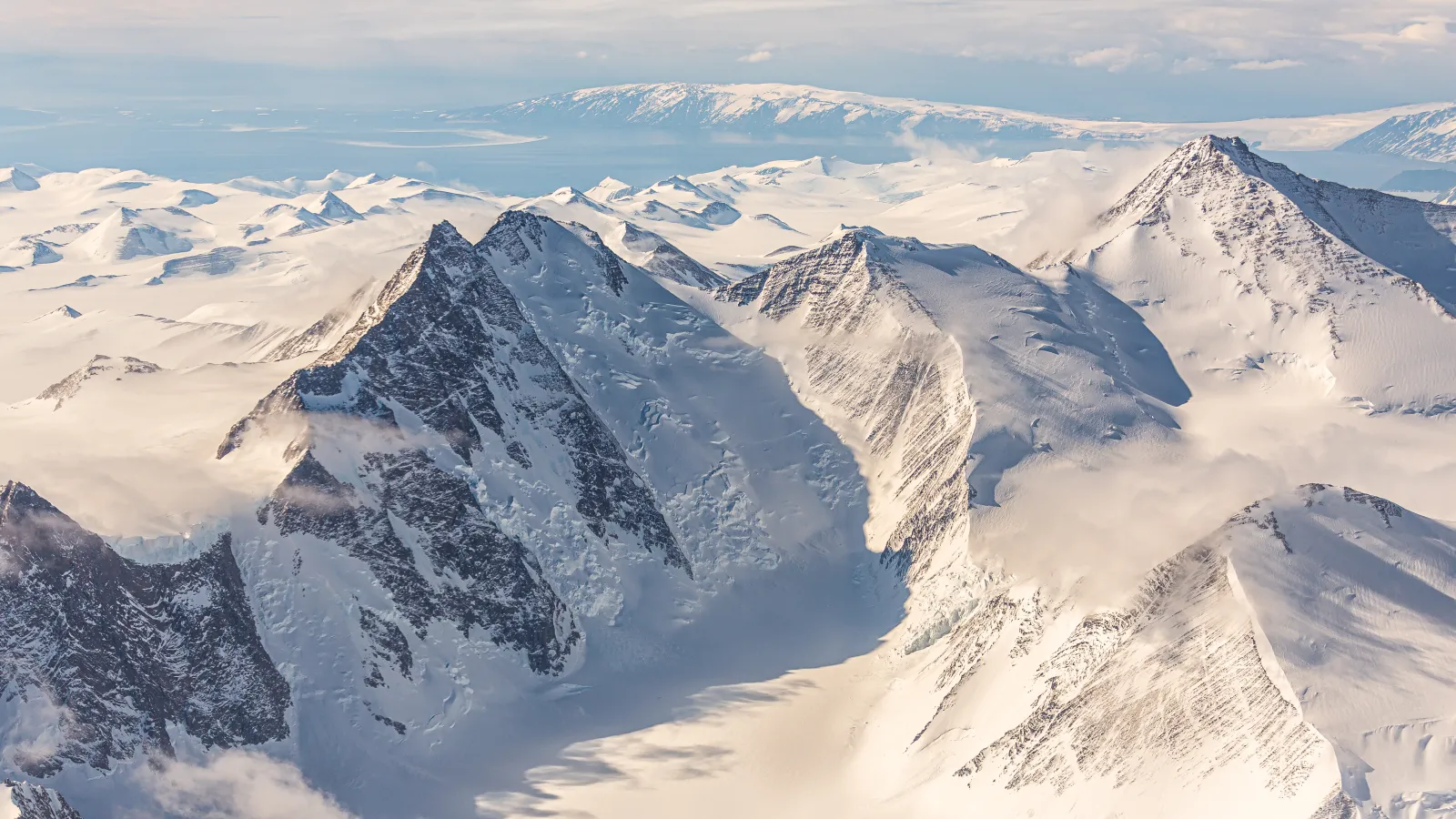
A recent study has provided a clearer understanding of a long-mysterious chapter in Antarctica’s geological history.
The research was conducted by a team of scientists from multiple…
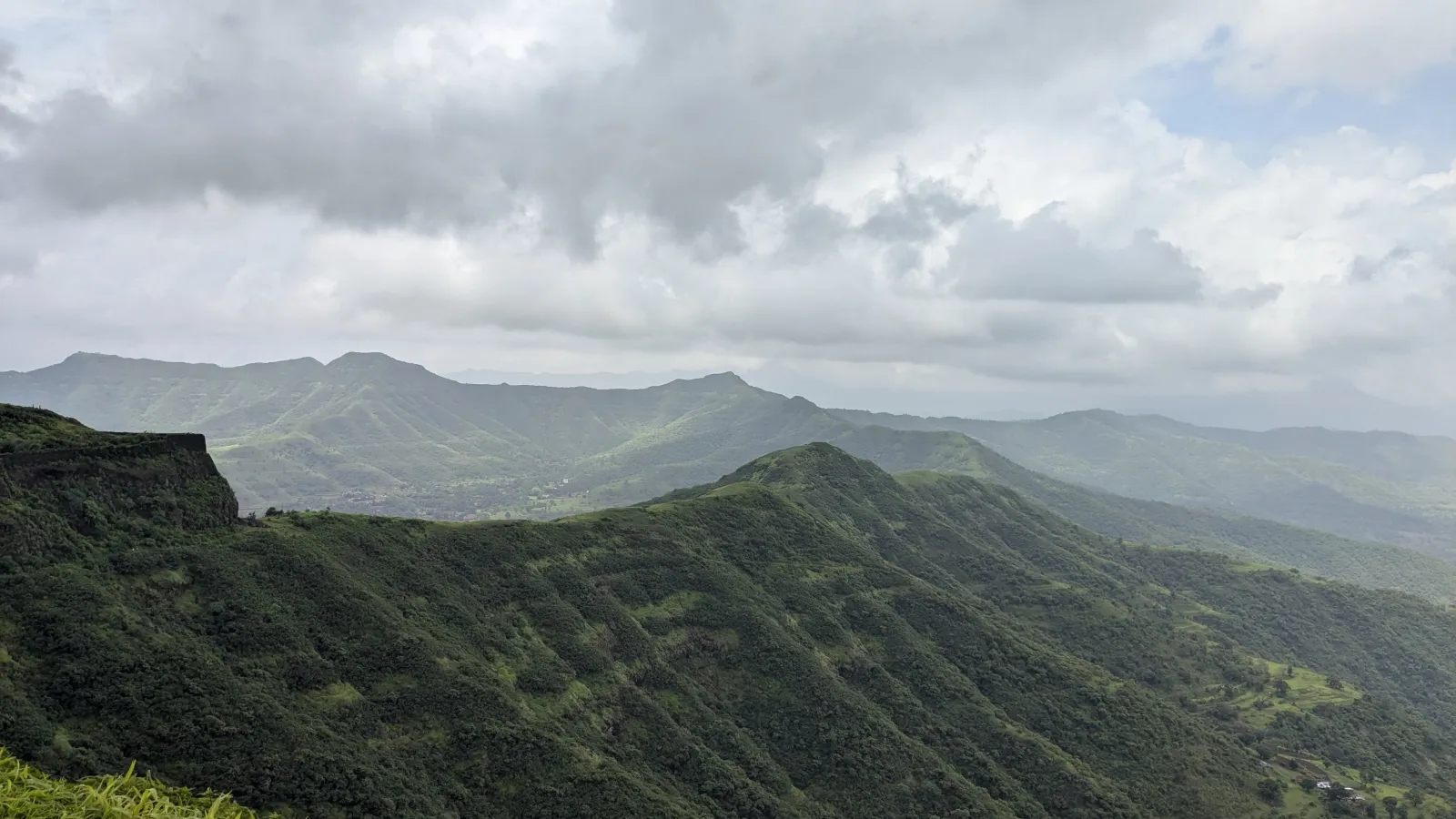
A new international study has uncovered how subtle changes in Earth's orbit triggered opposing rainfall patterns between Asia and Australia over the past 300,000 years. The research, published in …
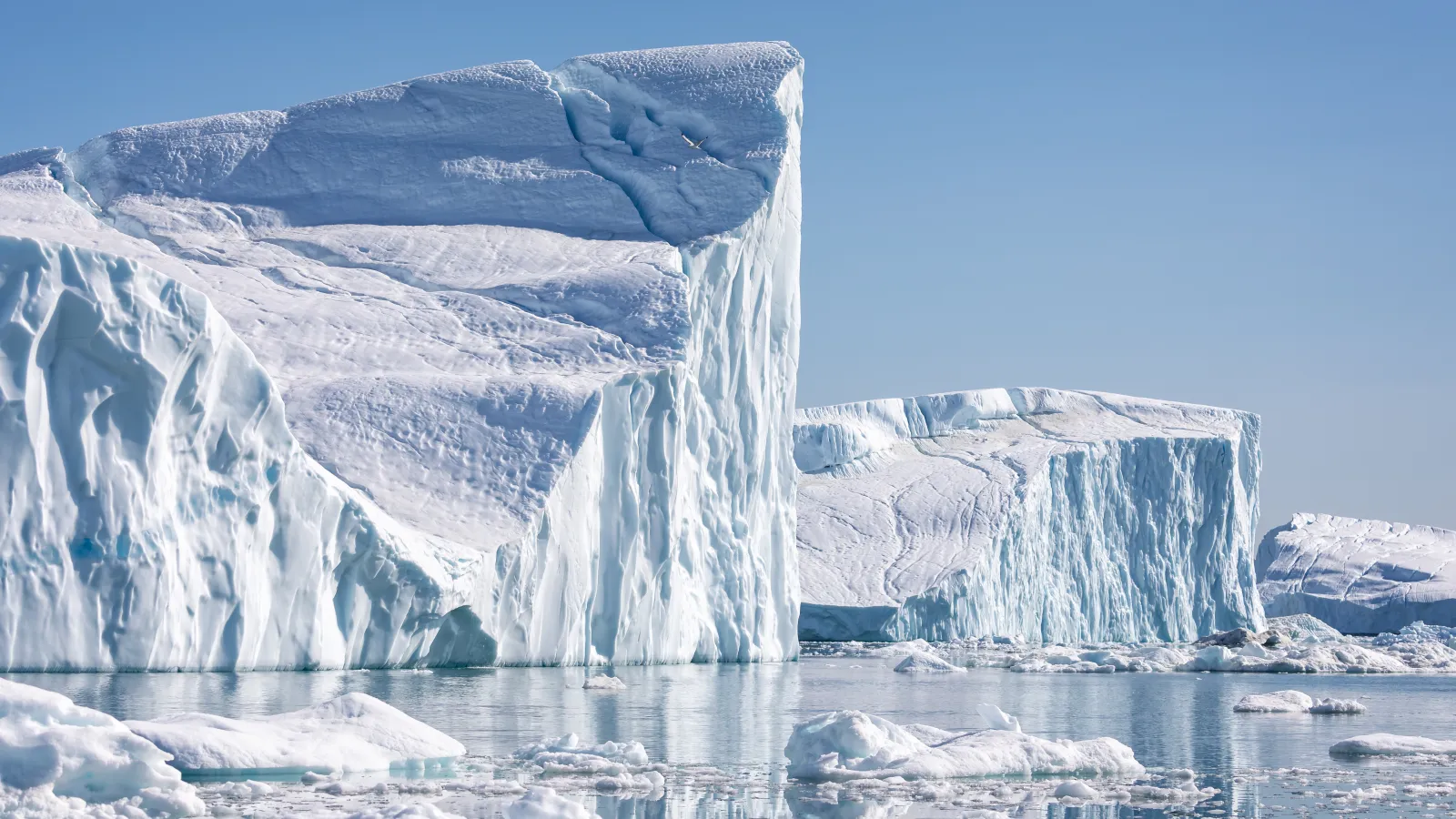
A new study published in Earth and Planetary Science Letters introduces a powerful technique to measure ice mass loss in Greenland with unprecedented spatial detail, particularly along…
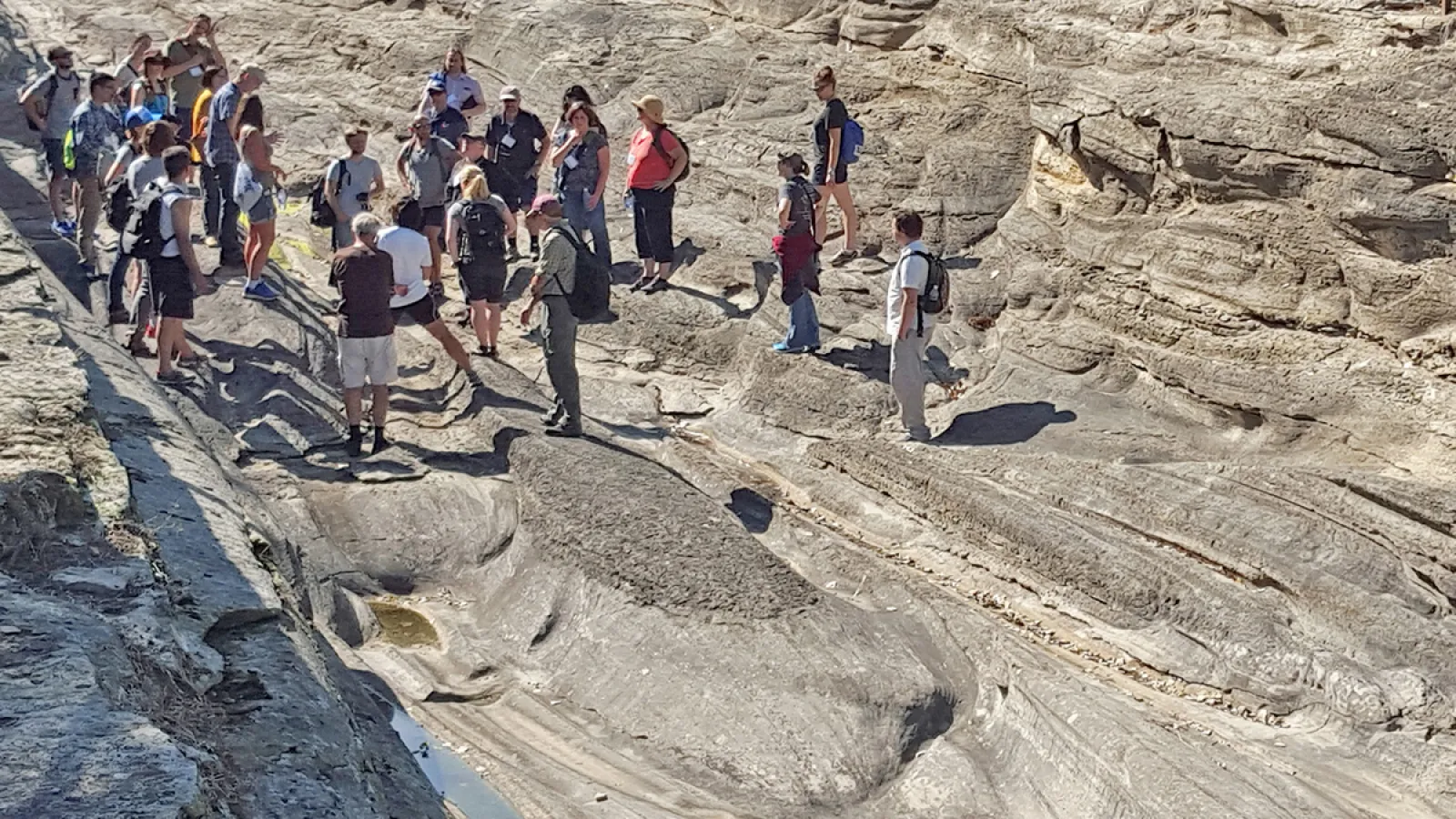
Training schools focused on modeling solid Earth responses to ice mass changes offer lessons on how early-career scientists can build professional networks and learn skills to solve complex…
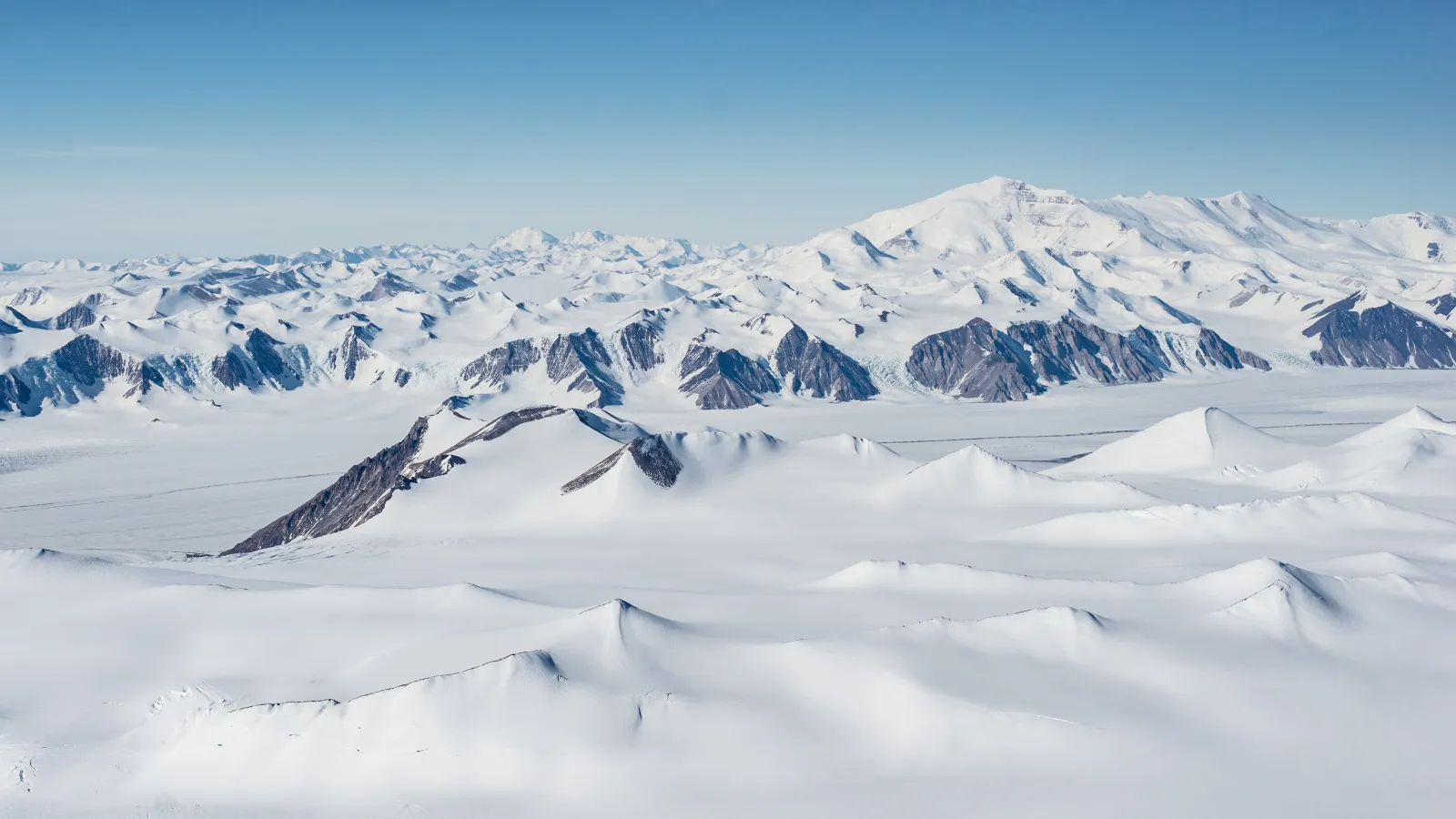
A recent article in Discover Magazine explores how a vast collection of Antarctic rock samples housed at The Ohio State University is helping scientists revise key chapters in the…
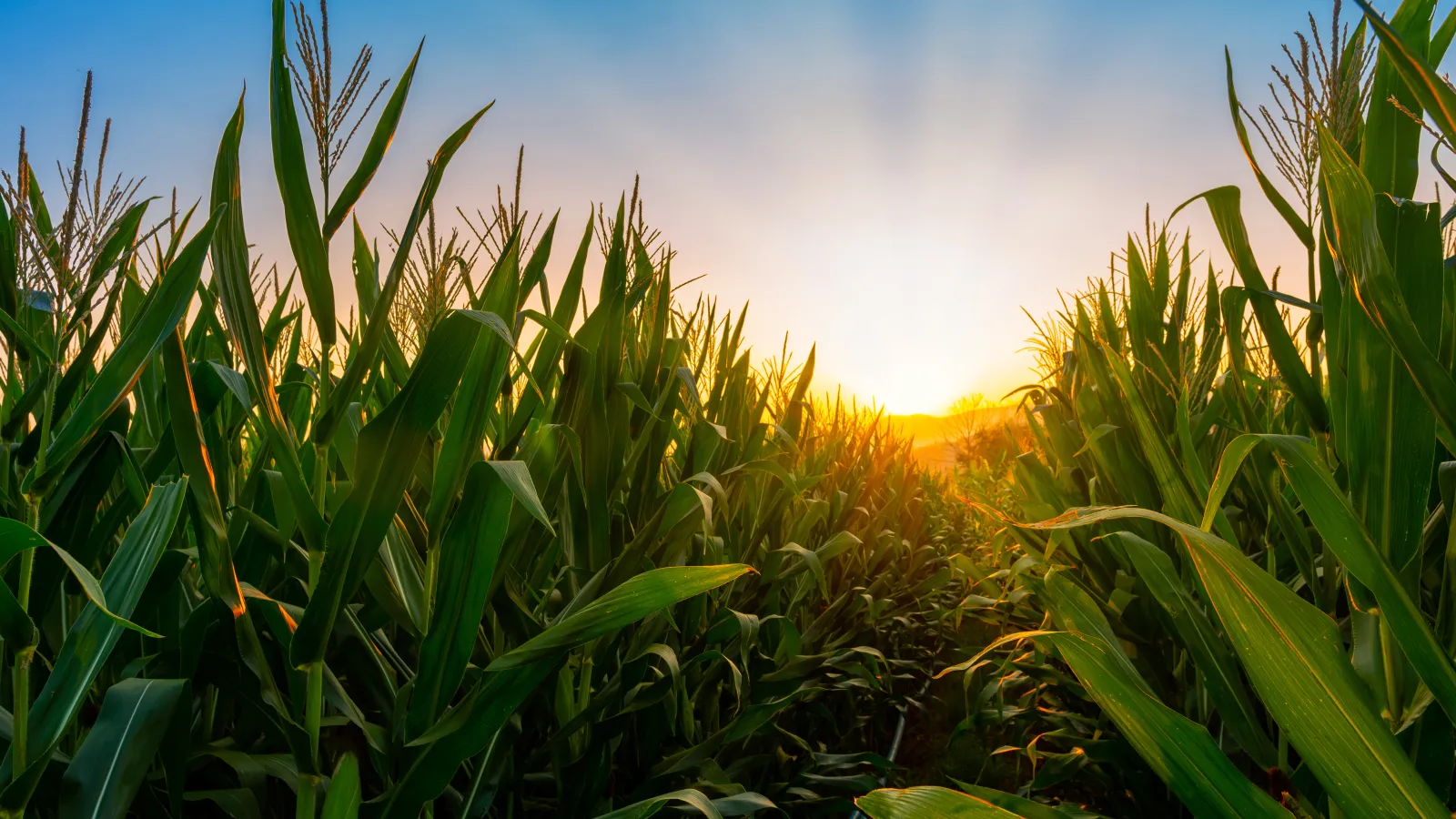
Principal Investigator at the Byrd Polar and Climate Research Center and State Climatologist of Ohio, Aaron Wilson, shared with ABC News how mid-summer marks the peak of corn’s maturity, when…

On July 22, Byrd Polar and Climate Research Center Principal Investigator Dr. Man-Yau ("Joseph") Chan, Assistant Professor of Geography at The Ohio State University, and Associate Professor Dr…

A recent study published in Nature Communications, by Danielle E. Schimmenti in the Department geology and geophysics at Texas A&M University, along with Professor Franco Marcantonio, Dr…

A new global dataset offers detailed, high-resolution maps of coastlines and intertidal zones, compiled from over a decade of satellite imagery. Published in Scientific Data, the study…
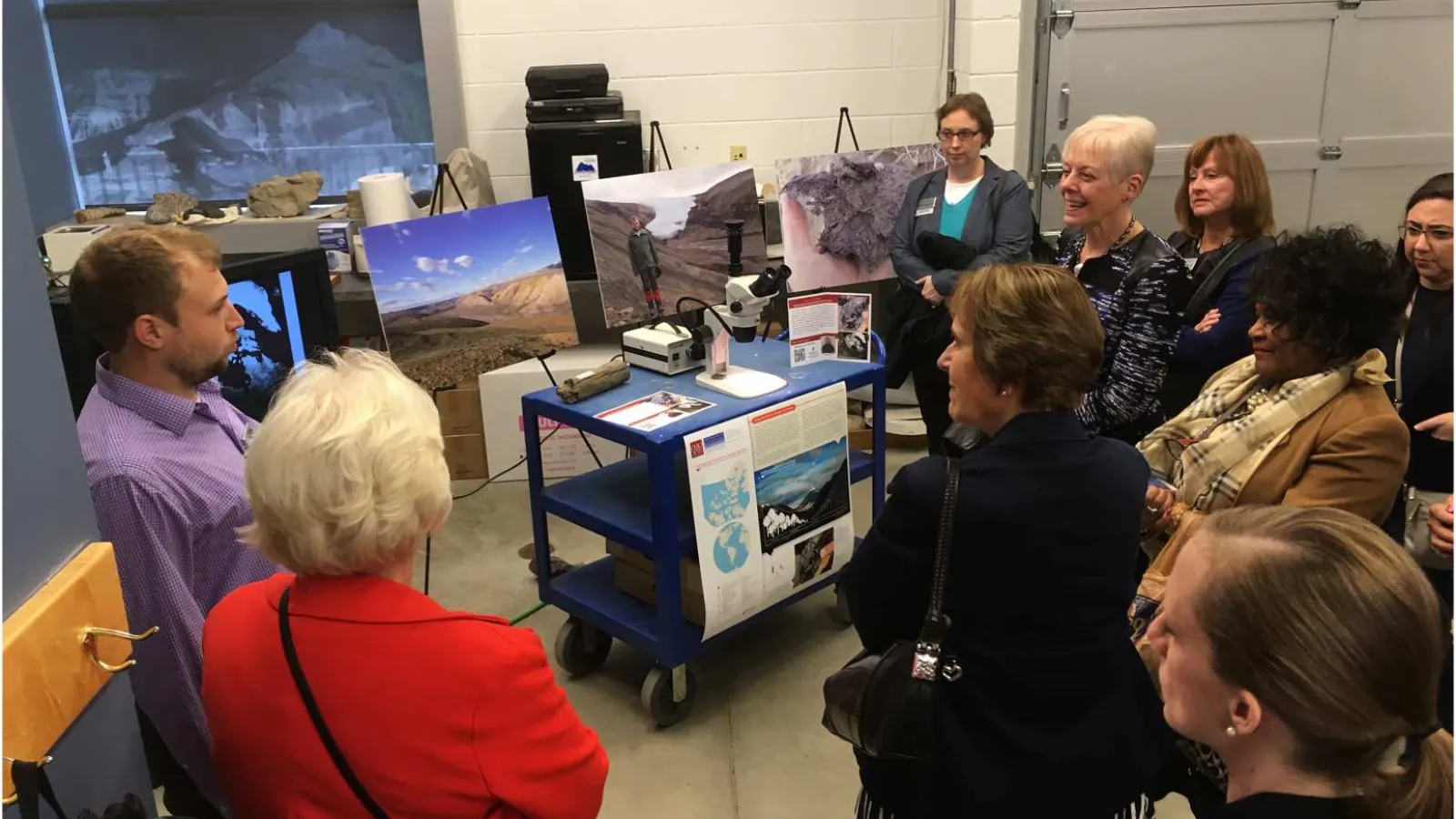
In a recent article published in the Journal of Museum Education, Joseph Helterbrand, Research Centre Outreach Coordinator within the Office of Research, Agri-Food Partnership at the…

The Byrd Center extends sincere thanks to Ian Howat for his leadership and guidance of the Byrd Center since 2018 and looks forward to continuing to support him in his role as a Byrd Principal…

The "2025 Glacial Isostatic Adjustment Workshop: Advancing Models and Observational Constraints" was held in Sidney, BC, Canada, June 2-6, 2025. The workshop was hosted by Natural Resources Canada…

A recent study published in Sustainability explores the patterns and causes of wintertime urban warming in Rajshahi City, Bangladesh. The study was co-authored by Dr. Md…

A new study published in Scientific Data analyzed lead from the third pole ice core samples from the Puruogangri ice cap in central Tibet and the Dasuopu glacier in the central Himalayas…

An international team of scientists, including The Ohio State University's Byrd Center Principal Investigators and School of Earth Sciences Professors Terry Wilson (POLENET Group) and Demián Gómez…

On May 28, 2025, a catastrophic landslide obliterated approximately 90% of the Swiss Alpine village of Blatten in the Lötschental valley. The disaster was triggered by the collapse of the Birch…

A team of scientists, including several affiliated with The Ohio State University, has made significant progress in understanding how to more accurately measure nanoparticles and microparticles…
To mark its 65th anniversary, the Byrd Polar and Climate Research Center at The Ohio State University hosted Ice & Aspire, a special fundraising event held on May 22, 2025. The evening…
The Ohio State University’s Byrd Center is proud to announce that Assistant Professor Melisa Diaz, a faculty member in the School of Earth Sciences and principal investigator of the Polar and…
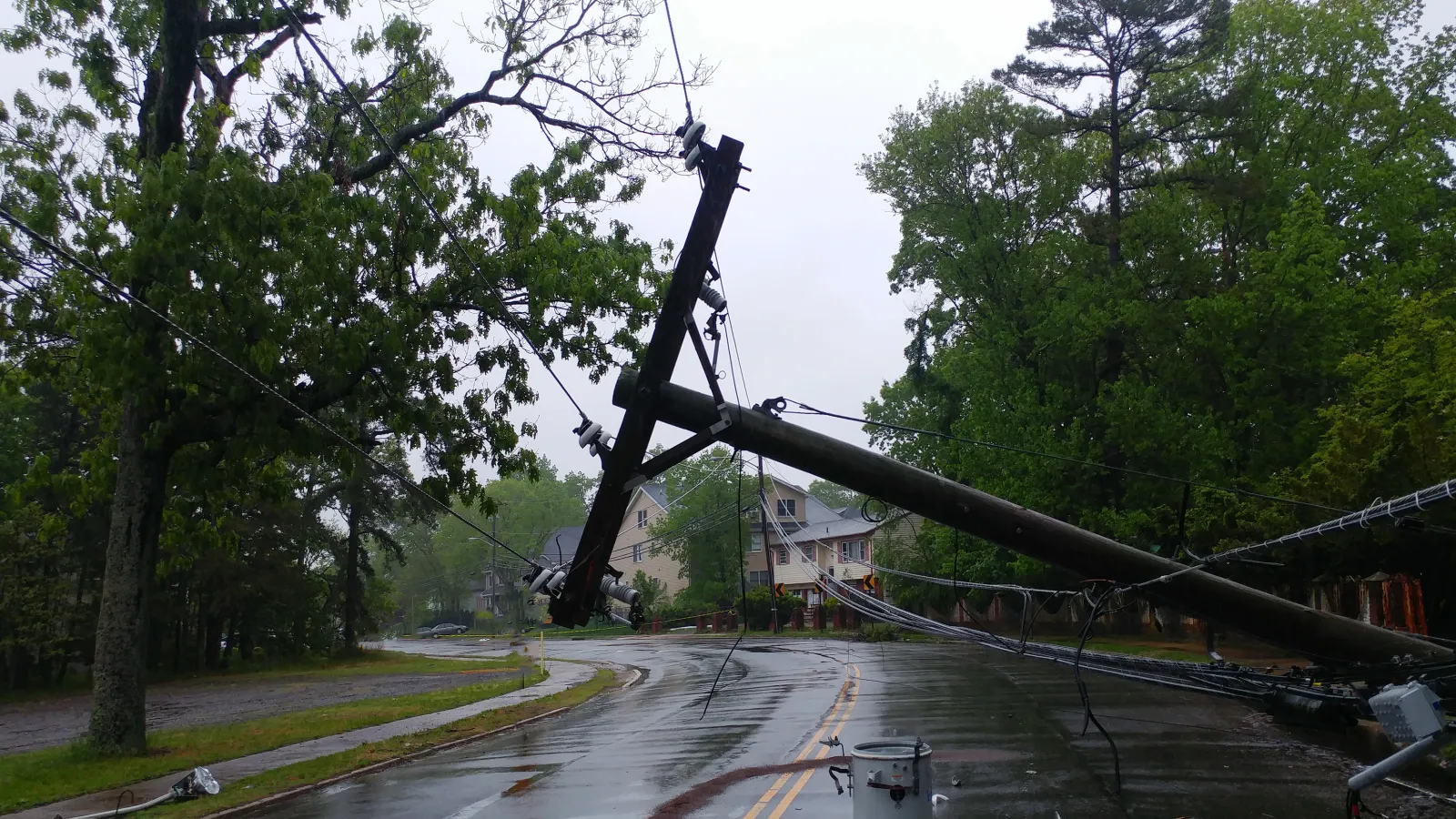
The Ohio State University startup weather analytics company StormImpact, co-founded by Byrd Center Principal Investigator and Professor Steven Quiring (Geography), was recently acquired by Urbint,…
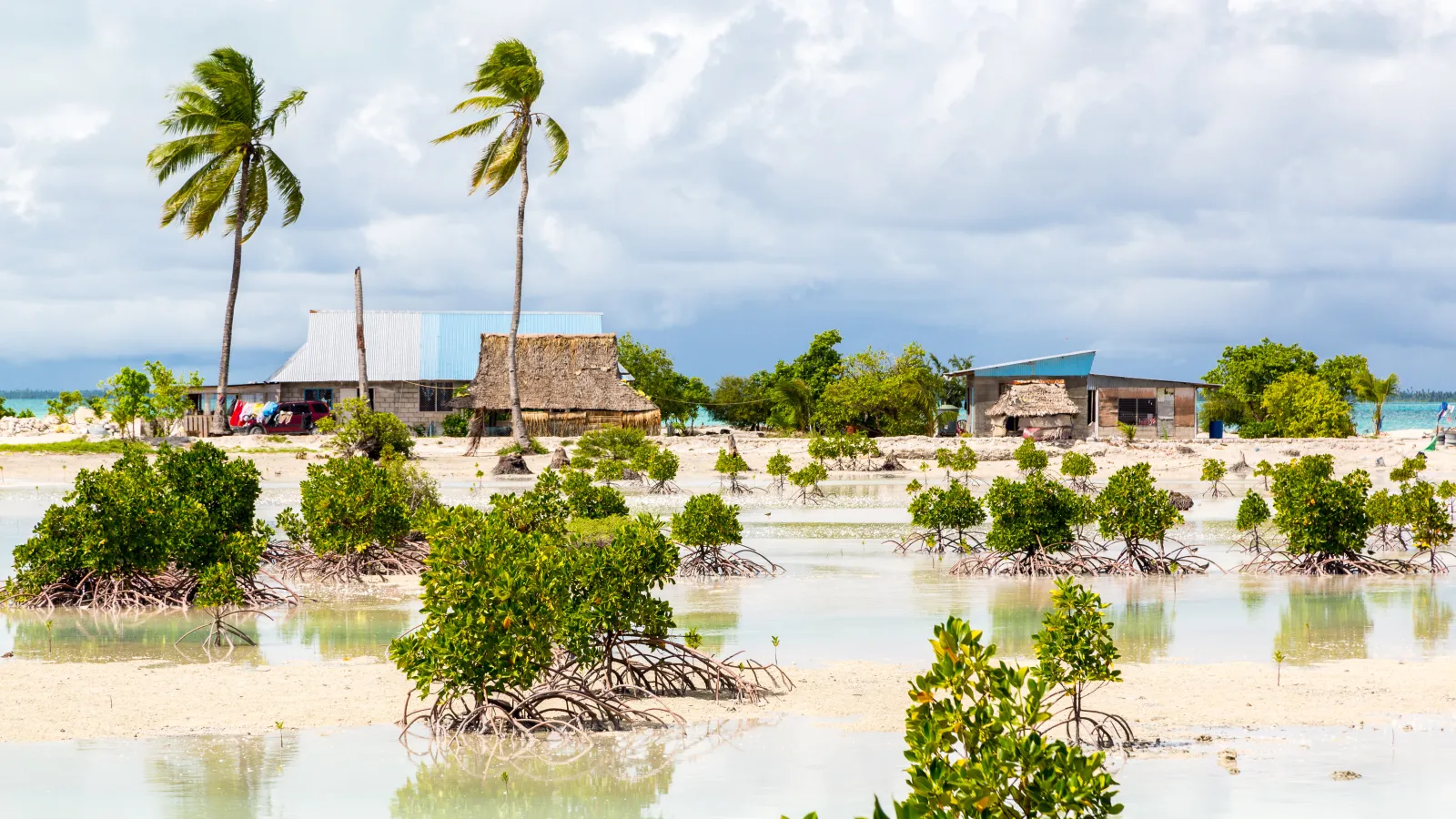
A recent international study published in Nature Communications has unveiled a new forecasting method that significantly enhances the prediction of El Niño–Southern Oscillation (ENSO)…
We congratulate Kara Lamantia and Forrest Schoessow, who defended their Ph.D. dissertations successfully.
Kara defended her dissertation on May 7, 2025. Her research, titled …
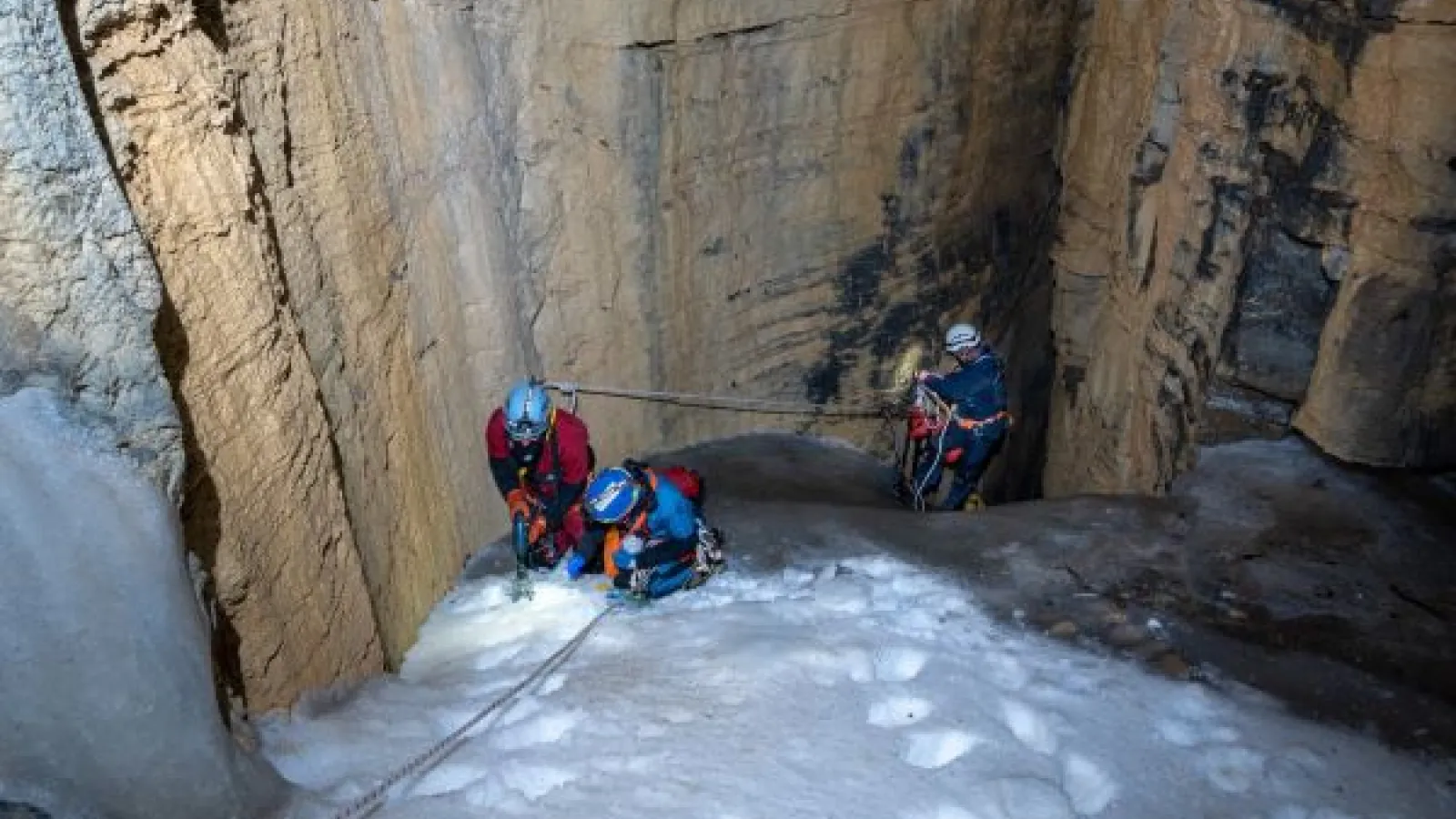
Congratulations to Rylin Lofton and Wyatt Walker, both undergraduate researchers in the Polar Geomicrobiology Group, for being awarded grants to support their research projects exploring the role…
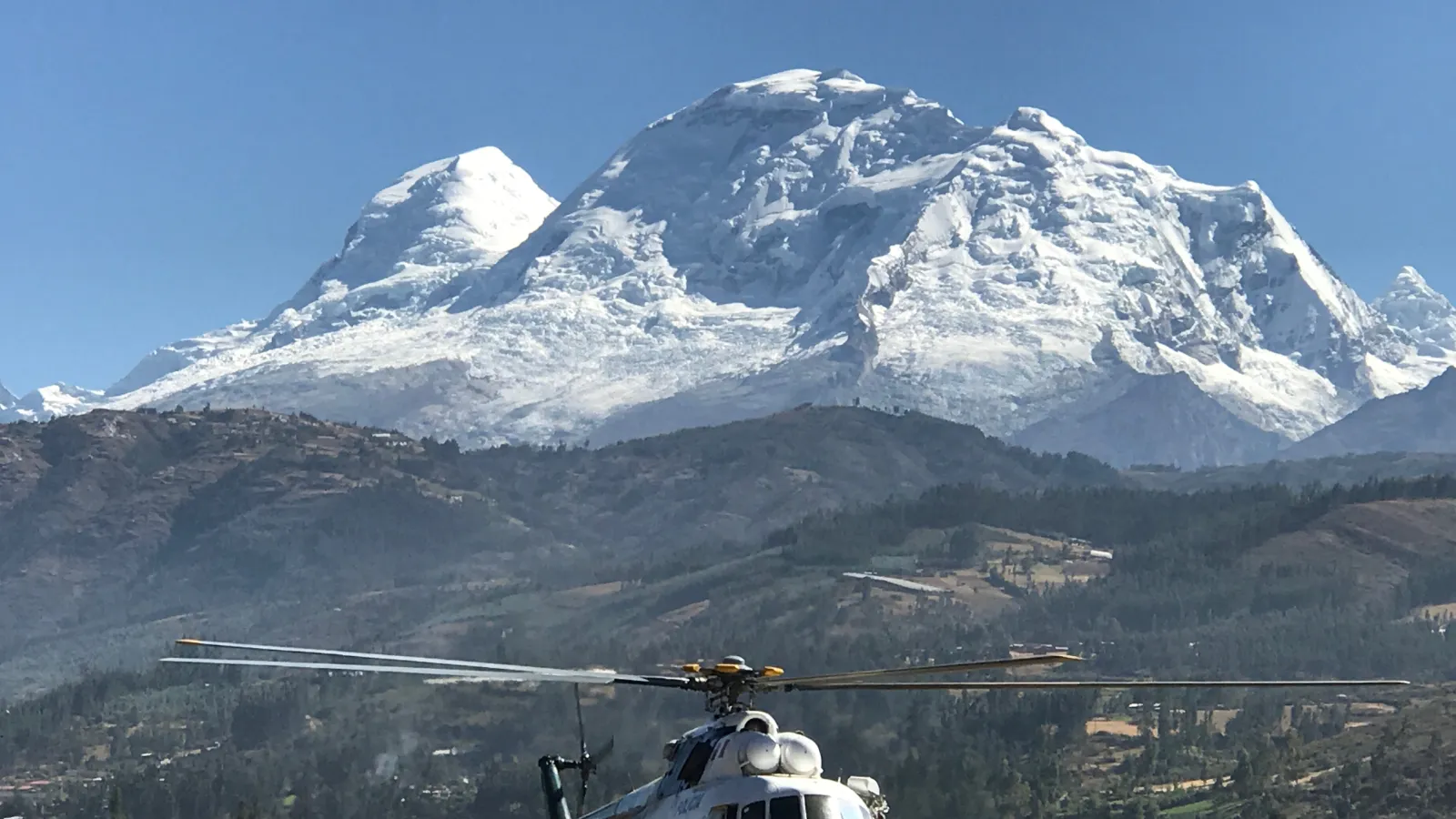
A new study published by Cambridge University Press 's Journal of Glaciology presents critical findings from a 2019 expedition to Nevado Huascarán, Peru's highest mountain and home to one…
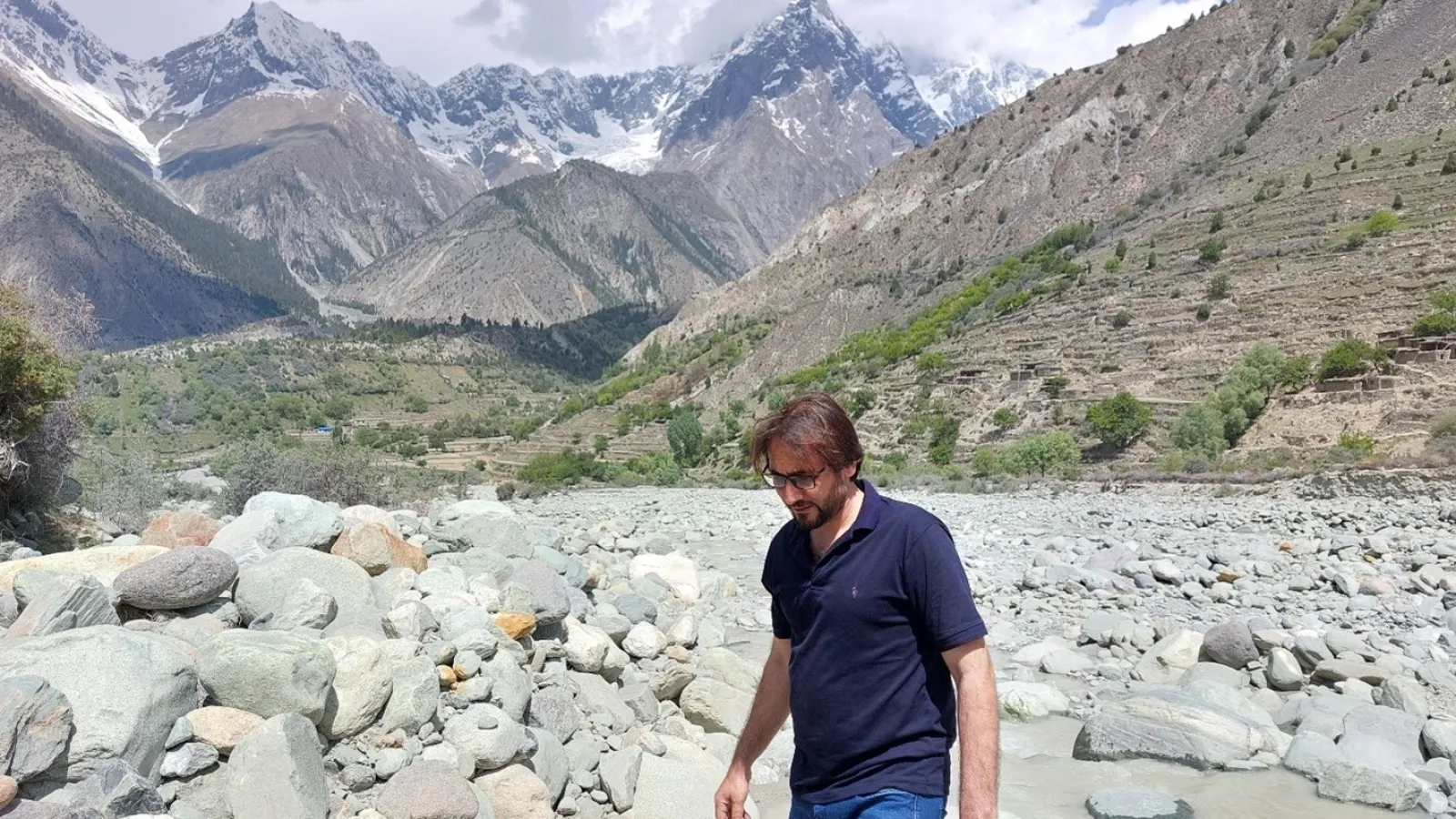
In 1995, World Bank Vice President Ismail Serageldin warned that whereas the conflicts of the previous 100 years had been over oil, “the wars of the next century will be fought over water.”

Assistant Professor Demián Gómez from The Ohio State University's School of Earth Sciences has been honored with the 2024-2025 Early-Career Faculty Excellence Award by the College of Arts and…

Congratulations to Professor W. Berry Lyons, Distinguished University Scholar in the School of Earth Sciences and former Byrd Center Director, who was honored with the Goldthwait Polar…

A new study published in Nature's Communications Earth & Environment highlights a discrepancy in Holocene climate models, particularly over tropical mountains.
The research, led by…

Congratulations to the Kane Lodge Foundation and the Lincoln Ellsworth Foundation for receiving the Midwest Archives Conference Presidents’ Award! The award recognizes significant contributions to…

Congratulations to Byrd Center Principal Investigators, Assistant Professors Alex Michaud and Emilie Beaudon (Earth Sciences), on receiving a one-year grant from the College of Arts and Sciences…

Beginning July 1, 2025, The Ohio State University will partner with Anthony Travel as its new Travel Management Company for employee business travel.
This change marks the end of the…

In a study published in Nature Communications, researchers provided critical insights into the microbial interactions driving methane emissions in freshwater wetlands, a significant…
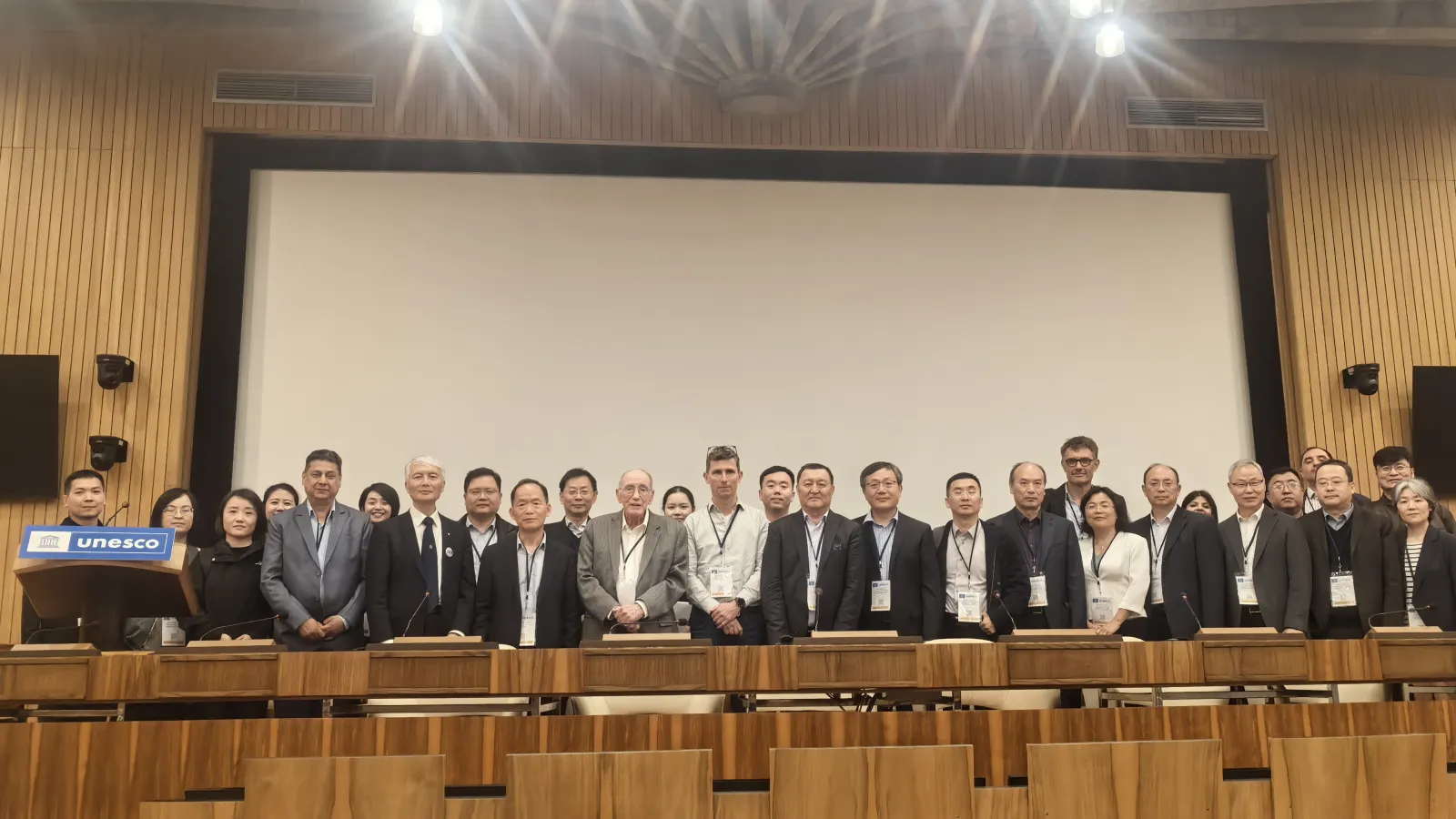
On March 20–21, 2025, global experts convened at UNESCO Headquarters in Paris to celebrate the inaugural World Day for Glaciers and World Water Day. Among the events held on March 21 was the side…

Byrd Center Principal Investigator and Assistant Professor Melisa Diaz (Earth Sciences) will purchase a benchtop ED-X-ray fluorescence spectrometer, which can measure the concentrations of certain…

Over spring break, from March 7–14, members of the Byrd Center's Glacier Environmental Change group undertook a winter field expedition to the mountains of Nevada to gather critical data on…
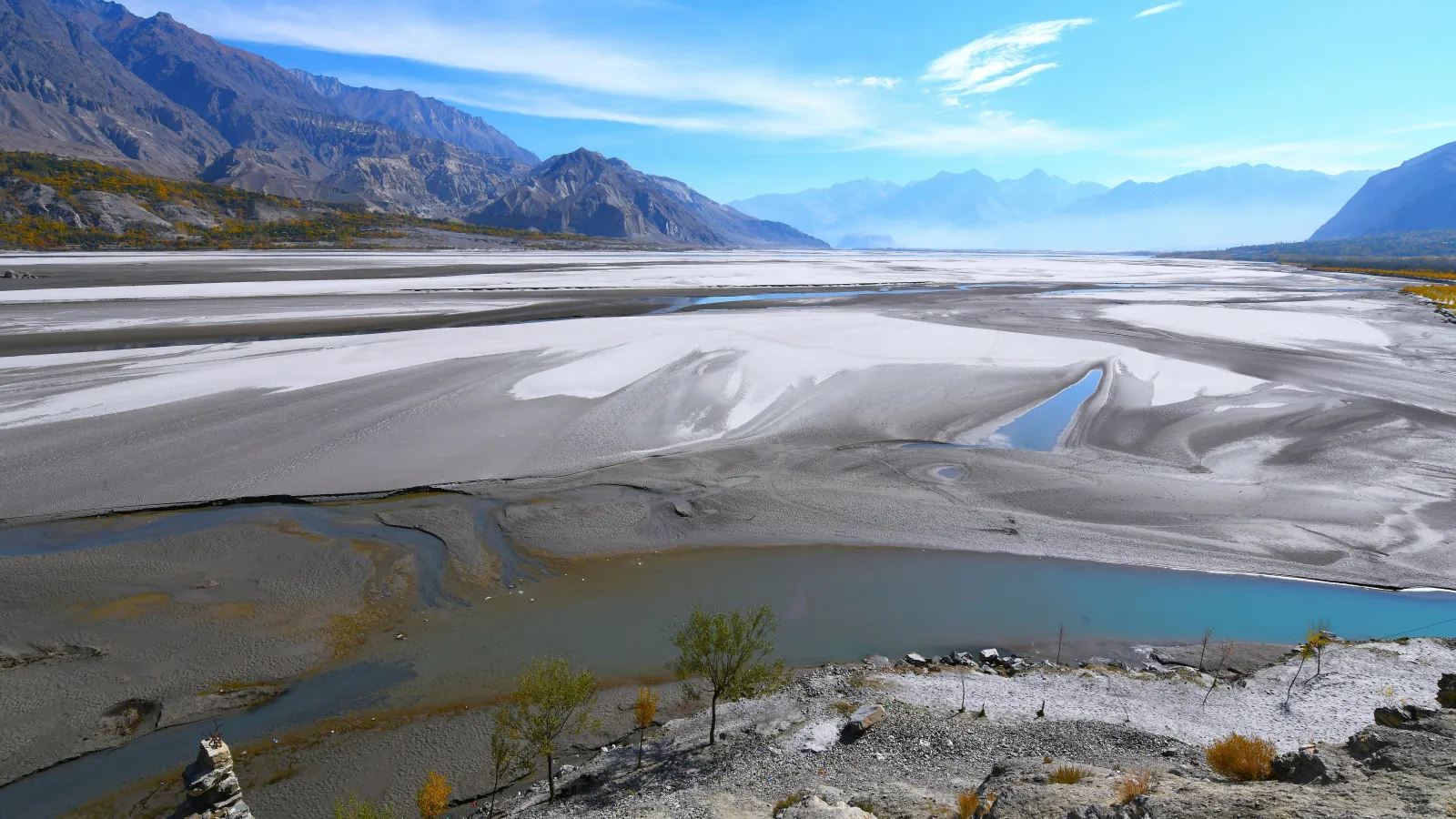
A new study published in AGU's Water Resources Research warns of a drastic decline in groundwater storage in the Indus Basin, threatening water security for millions in South…
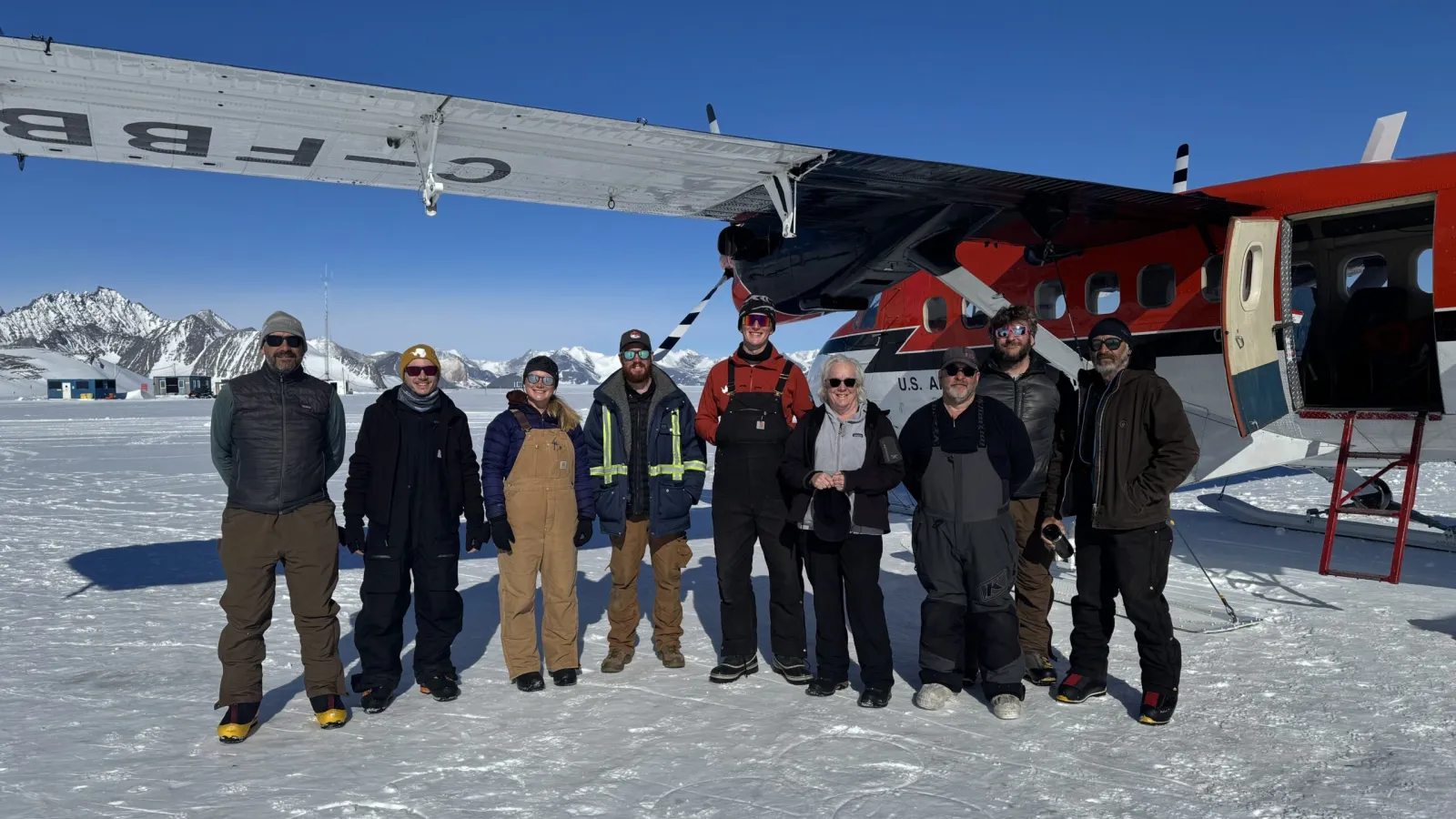
Byrd Center's ANET-POLENET team, under the leadership of Professor Emeritus Terry Wilson (Earth Sciences) began its field season in November 2024 in West Antarctica, operating from Union Glacier…
The 39th annual Edward F. Hayes Advanced Research Forum took place on Friday, February 28, 2025, at The Ohio State University's Ohio Union. It brought together graduate students and postdoctoral…
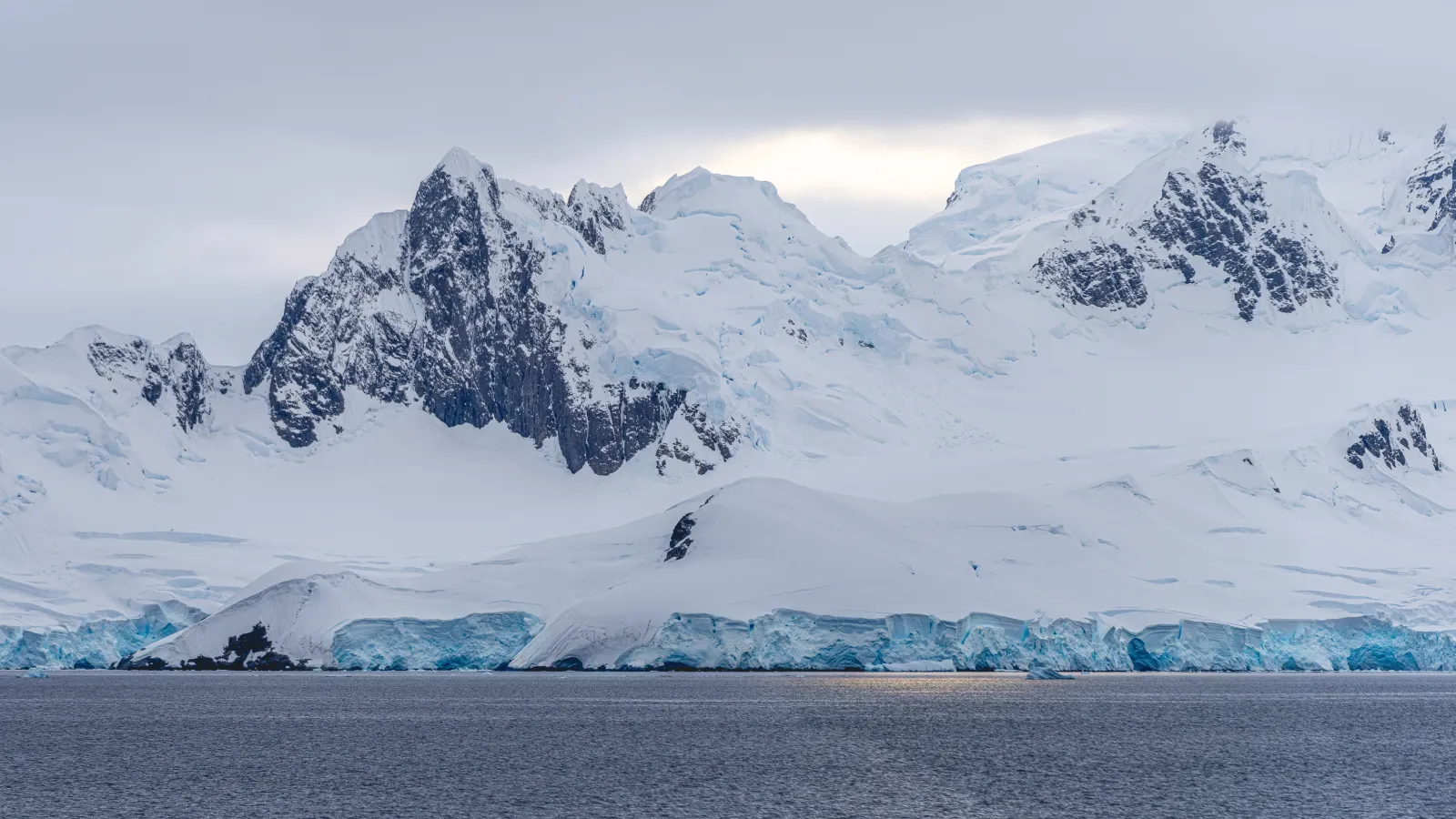
A recent study published in Communications Earth & Environment, led by Pranab Deb and co-authored by David Bromwich, Principal Investigator at the Byrd Center's Polar Meteorology Group,…