Kara Lamantia confirms that tropical regions are a historic source of methane
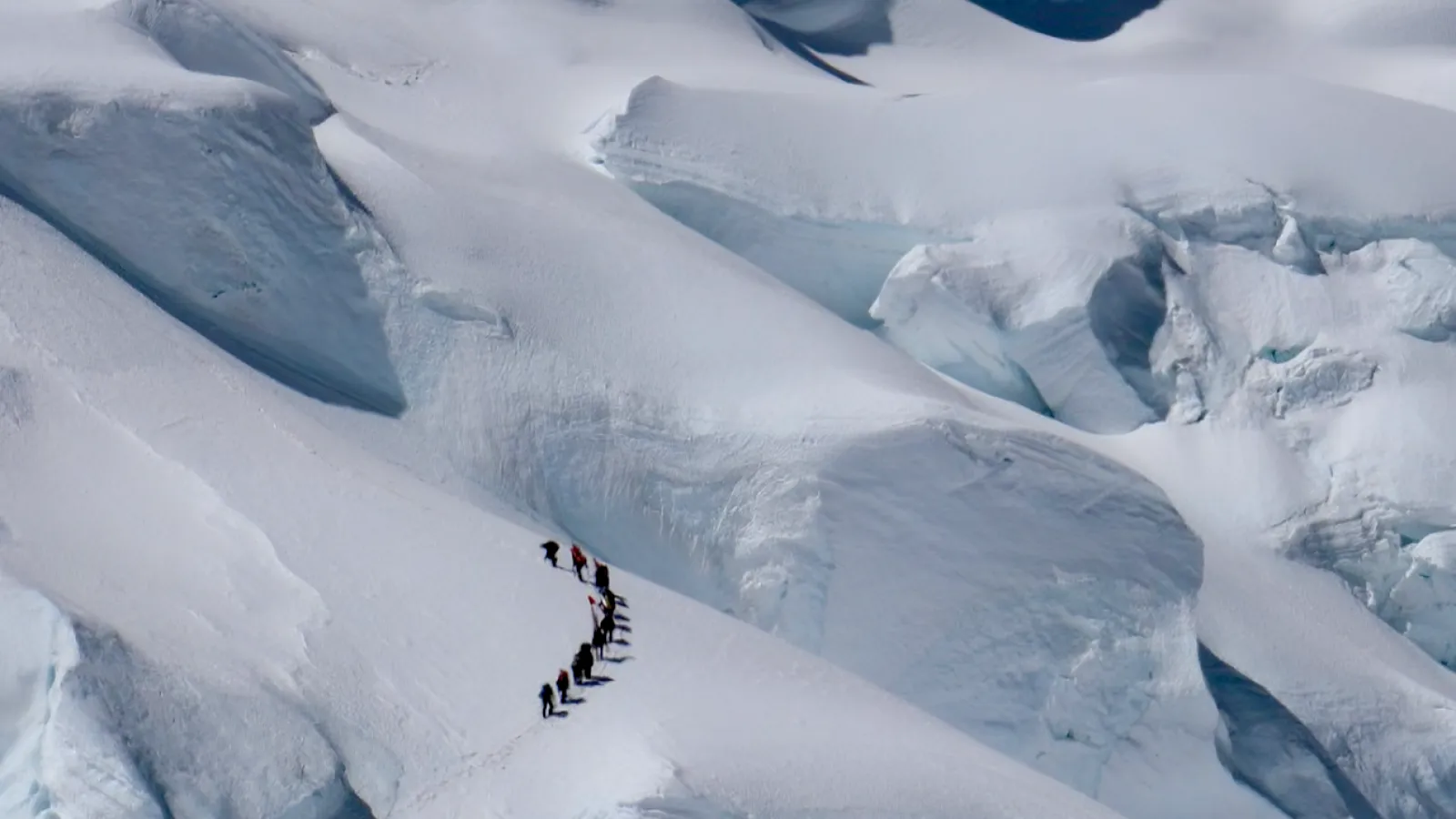
Kara Lamantia and her colleagues recently published research in Nature using ice cores from Peru’s Nevado Huascarán to produce the first global record of historical tropical methane. The study found that methane concentrations recorded in the tropical ice broadly agree with global fluctuations found in polar ice cores but are slightly higher, supporting the longstanding hypothesis that tropical sources played a significant role in global methane emissions before industrialization.
By examining small air bubbles trapped in ancient ice, the researchers reconstructed approximately 2,000 years of atmospheric methane history. Five ice core samples representing key periods were analyzed for specific isotopes, or chemical signatures, that can help distinguish methane originating from natural sources from methane associated with fossil fuels. The results suggest that methane emissions leaned toward biogenic sources, potentially including wetlands in South America or Asia.
Previous reconstructions of historical methane have relied largely on ice cores from Greenland and Antarctica and may have underestimated the importance of tropical emissions. The Huascarán record provides new evidence that tropical sources, including regions such as the Amazon, likely dominated methane emissions during the pre-industrial period, while agricultural and industrial emissions became increasingly important in later periods.
The findings strengthen historical climate records and demonstrate the importance of tropical ice cores for understanding the distribution and sources of greenhouse gases. The researchers hope the new data can be incorporated into future climate models to improve understanding of past, present and future changes in Earth’s atmosphere.
Coauthors include Lonnie Thompson, Mary Davis, Emilie Beaudon, Ellen Mosley-Thompson, Ben Riddell-Young, Newton Nguyen, Ivo Strawson, and Edward J. Brook.
Access the full paper on Nature and read more on Ohio State News.
This research was also featured on Earth.com: Andean summit ice holds 2,000 years of methane history, and the tropics made more than expected.